

Protect Your Packages from the Winter Chill
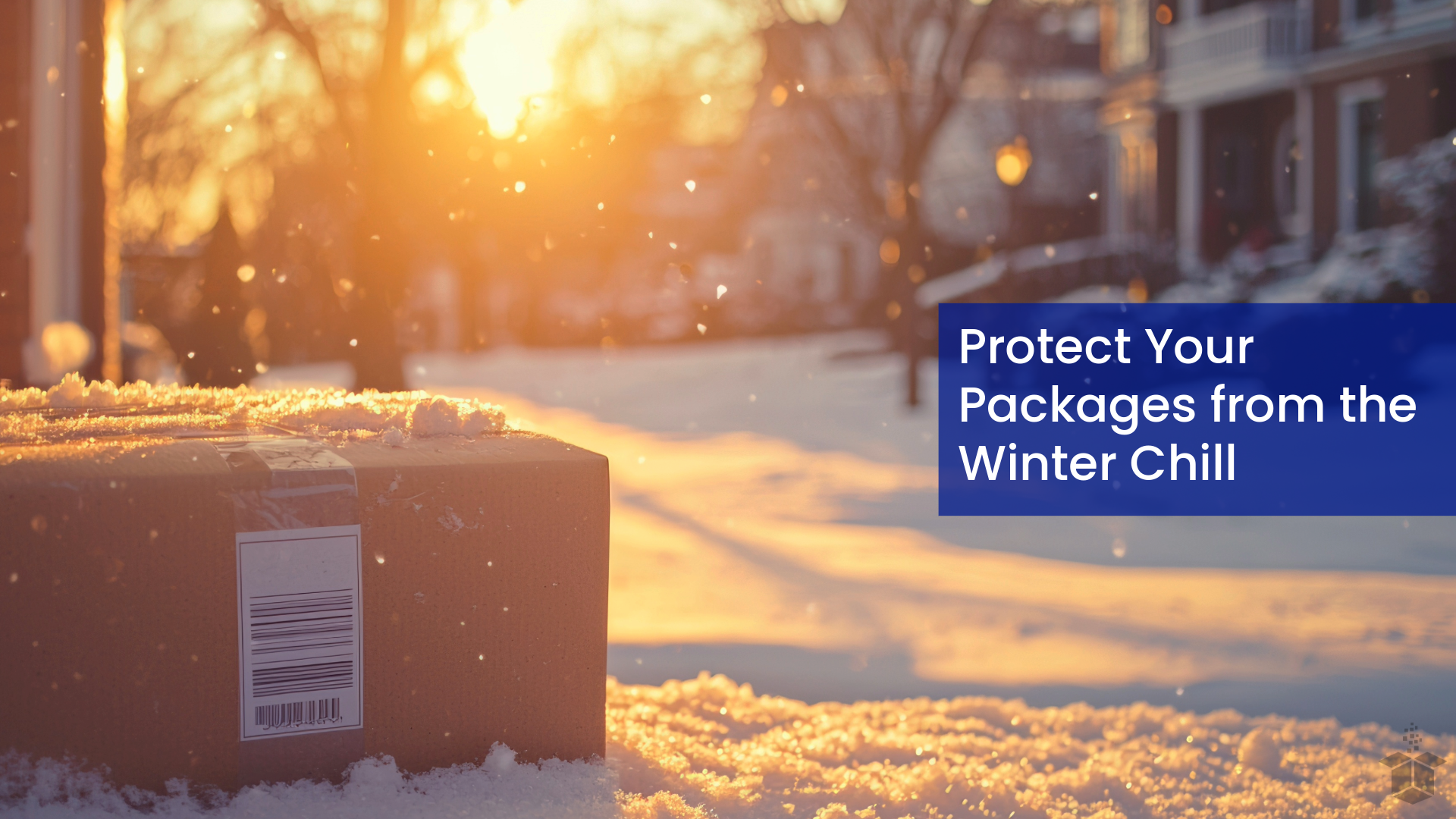
Winter brings a flurry of challenges for businesses, unpredictable weather, busy shipping schedules, and increased customer demand. But one challenge that often goes unnoticed until something goes wrong is how cold temperatures affect packaging.
When the air turns dry and frigid, adhesives lose their grip, cardboard weakens, condensation creeps in, and plastics become brittle. These subtle shifts in material performance can have a big impact, from boxes arriving unsealed to products showing up damaged or unusable.
Understanding how winter conditions impact packaging performance is crucial for protecting your products in transit and maintaining your brand’s reputation. Here’s what every business should know about packaging during the coldest months of the year and how to prepare.
1. The Cold Truth About Adhesives and Sealants
If you’ve ever tried to apply tape to a cold box only to watch it slowly peel back, you’ve seen one of winter’s most common packaging problems in action. Adhesives and sealants simply don’t bond as effectively in low temperatures.
Why it happens
Most pressure-sensitive adhesives rely on tack, a property that depends on molecular movement and surface contact. When it’s cold, molecules slow down, and surfaces can contract or become less receptive. Add a bit of moisture or frost to the mix, and even high-quality tape can lose its stick.
This issue doesn’t just affect tape. Cold temperatures can impact glue, stickers, labels, and even tamper-evident seals. A label that curls up or a box that pops open mid-transit can cause major frustration for both your brand and your customer.
What you can do
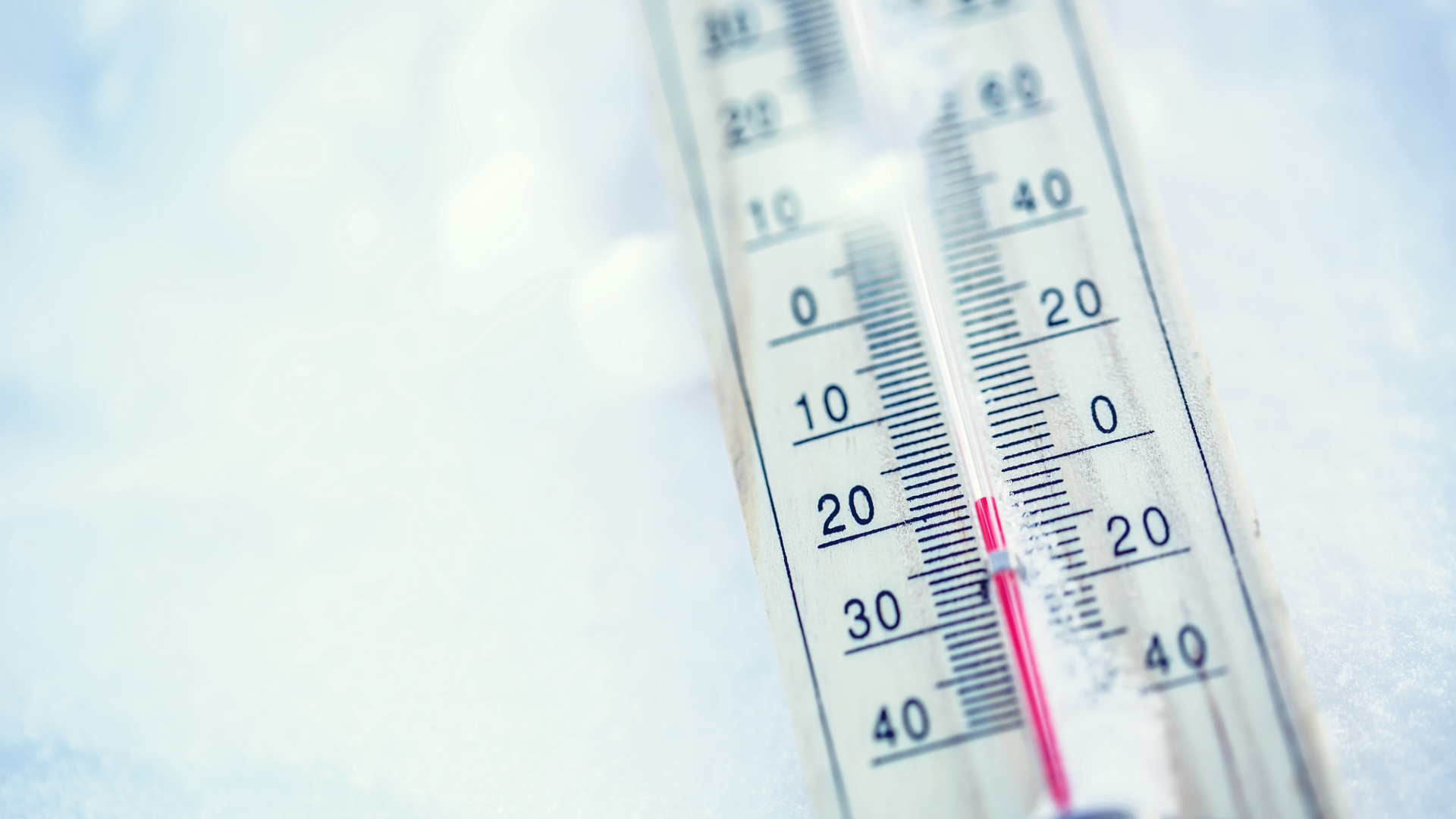
Switch to cold-weather adhesives. Look for packaging tapes and labels rated for low-temperature environments, and some remain reliable down to -20°F (-29°C).
Warm before use. Store adhesives, tapes, and boxes at room temperature before applying them. Applying at a warmer temperature helps the adhesive set properly before exposure to the cold.
Mind the method. Apply firm, even pressure when sealing boxes to ensure maximum contact between the adhesive and surface.
Don’t over-stretch. Stretching tape in cold weather can cause it to contract later and lift away from the surface as temperatures change.
Pro tip: For brands that ship from cold climates, consider using automated case sealers with heated rollers to ensure consistent application and pressure, especially during peak winter months.
2. Condensation: The Silent Threat
Cold weather shipping often means moving packages between drastically different temperatures, from warm warehouses to freezing trucks and back again. That temperature swing can cause condensation, and condensation is one of packaging’s worst enemies.
Why it matters
When moisture forms on packaging surfaces, it can weaken paper fibers, smudge ink, and warp or delaminate coatings. A box that leaves your facility sturdy and crisp might arrive soft, discolored, or partially collapsed.
Condensation also increases the risk of mold growth, especially in long-distance shipping or storage situations where moisture doesn’t have a chance to evaporate.
What you can do
Use moisture-resistant materials. Water-resistant corrugated board, poly-coated liners, or waxed finishes can help prevent water absorption.
Add protective barriers. Polybags, foil liners, or desiccant packets can help protect products inside the box.
Improve climate control. If possible, allow products and packaging to reach the same temperature before sealing them. This reduces trapped moisture and internal condensation.
Consider breathable designs. For some products, especially food items, vented packaging can help moisture escape and prevent spoilage.
Real-world example: Food brands that ship frozen or refrigerated items often rely on insulated mailers and moisture-resistant corrugate to maintain temperature without sacrificing structure. Even if you’re not shipping perishables, those same principles can keep your boxes intact through the cold chain.
3. Material Durability in Low Temperatures
Cardboard, plastics, and films all react differently when the temperature drops, and not always in ways you’d expect.
The science behind it
Paper-based materials lose flexibility and can crack or split when folded.
Plastics can become brittle, especially thin films used for shrink wrap or labels.
Foams used for cushioning can stiffen, losing their ability to absorb shocks during transport.
These effects can lead to crushed corners, cracked seals, or broken containers, all of which compromise both the product and the customer experience.
What you can do
Upgrade your corrugate. Choose double-wall or cold-chain-rated corrugate for heavier or fragile products.
Select temperature-tolerant plastics. Polyethylene (PE) and polypropylene (PP) typically perform better in cold conditions than polystyrene (PS) or PVC.
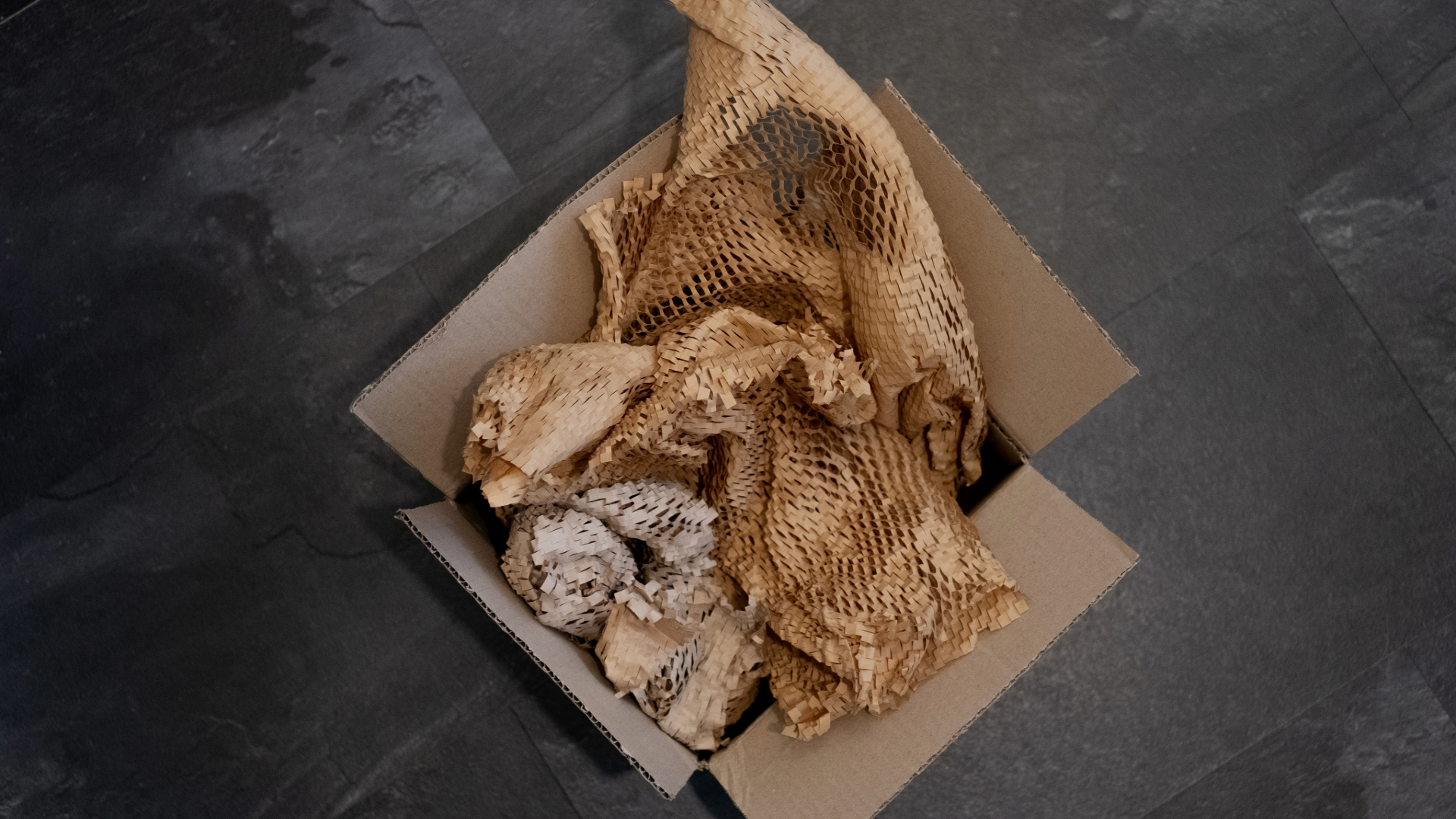
Reassess your cushioning. Flexible paper void fill or newer biofoam inserts often maintain resilience better than traditional styrofoam in cold environments.
Run seasonal packaging tests. Drop tests and compression tests under simulated winter conditions can identify weaknesses before shipping begins.
Think ahead: Even if your product isn’t temperature-sensitive, the packaging still needs to survive the journey. A structurally sound box reflects a brand that’s dependable, no matter the weather.
4. Storage, Handling, and Shipping Practices
Even the most durable packaging materials can fail if they aren’t handled or stored properly. Many winter-related packaging issues occur before the package ever leaves the warehouse.
Best practices to prevent cold-weather damage
Elevate your materials. Keep packaging off cold floors and away from loading dock doors where temperatures fluctuate.
Maintain stable storage conditions. Sudden changes in temperature can lead to condensation or adhesive failure even before shipping.
Educate your team. Seasonal reminders for warehouse staff, like proper tape application, avoiding overpacked boxes, or checking for brittle materials, can dramatically reduce damage.
Partner with your carrier. Ensure your logistics providers understand the importance of climate considerations. In extreme weather, insulated or temperature-controlled transport may be worth the investment.
Plan your packaging inventory. Keep both standard and cold-weather supplies on hand so you can adapt quickly to temperature swings without slowing down fulfillment.
Bonus tip: If your business experiences temperature shifts within a single shipment route (like a warm departure and a cold delivery zone), design packaging that can withstand both. Moisture resistance, strong seals, and flexible materials are your best defense.
5. Keeping Your Brand Intact Through the Winter
At the end of the day, packaging does more than protect. It represents your brand. A soggy, torn, or poorly sealed box doesn’t just risk product loss; it undermines customer confidence.
Why it matters
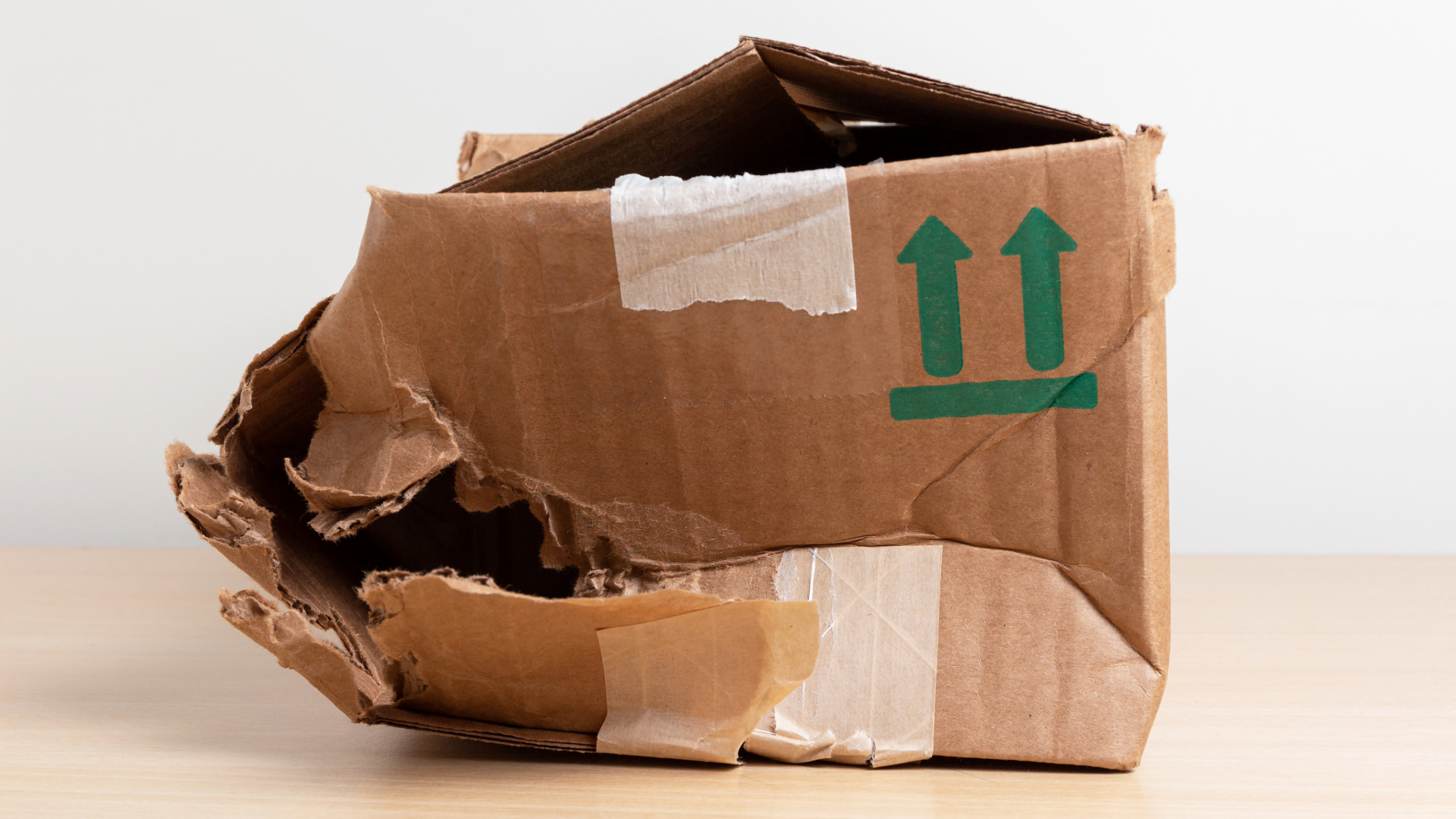
When customers receive a damaged package, even if the product inside is fine, the visual impression can still hurt your reputation. Winter shipping is a chance to prove reliability and to show that your brand can deliver quality under pressure.
How to reinforce trust
Audit your packaging design. Winter is the perfect time to test and tweak your packaging’s durability and sealing methods.
Communicate care. Add inserts or messaging that show customers you’ve taken extra precautions for seasonal shipping.
Stay proactive. Monitor feedback during colder months. If customers report box damage or adhesive issues, adjust your packaging immediately. Don’t wait until spring to fix it.
In Short: Keep It Warm, Keep It Safe
Cold weather doesn’t have to spell disaster for your packaging. With the right combination of materials, storage conditions, and handling practices, your products can arrive in perfect condition, even when the temperatures are below freezing.
By thinking ahead and preparing your packaging for the elements, you’re not just protecting your shipments. You’re protecting your brand’s reputation.
Because when your packaging performs well in the cold, your business keeps its cool, too.