Ready for Custom Packaging? Here’s What You’ll Need
Custom packaging can be an exciting step for a growing brand. It’s an opportunity to put your brand front and center, create a memorable customer experience, and make your product feel like a true extension of your business.
But before you get to the fun part, like choosing materials, exploring finishes, and seeing your design come to life, there are a few things you’ll need to have ready.
And no, you don’t need to be a packaging expert.
You just need to know your brand, your product, and some of the basics about what you need your packaging to do.
Having this information ready at the beginning of a project can make the process smoother, help your packaging partner understand what you need, and prevent surprises later.
So, what exactly should you have ready before creating custom packaging?
1. Your Brand Guidelines
If your brand already has established brand guidelines, they’re a great place to start.
Your packaging should feel like an extension of your brand, not like something completely separate from everything else your customers see. Brand guidelines can help your packaging team understand the visual identity you’ve already created and how it should be carried onto your packaging.
Don’t have a formal brand guide? That’s okay. You can still provide the individual pieces that make up your visual identity.

Your Logo
Start with your logo.
Ideally, you’ll have the highest-quality version of your logo available, preferably as a vector file such as an AI, EPS, or SVG.
If your brand has multiple approved versions, such as a horizontal logo, stacked logo, or icon, provide those as well.
Why does the file type matter? A screenshot or small image pulled from your website may look perfectly fine on a screen, but packaging artwork often needs to be scaled up or down without losing quality. And screenshots can lose quality fast. The better the original file, the more flexibility your designer has.
Your Brand Colors
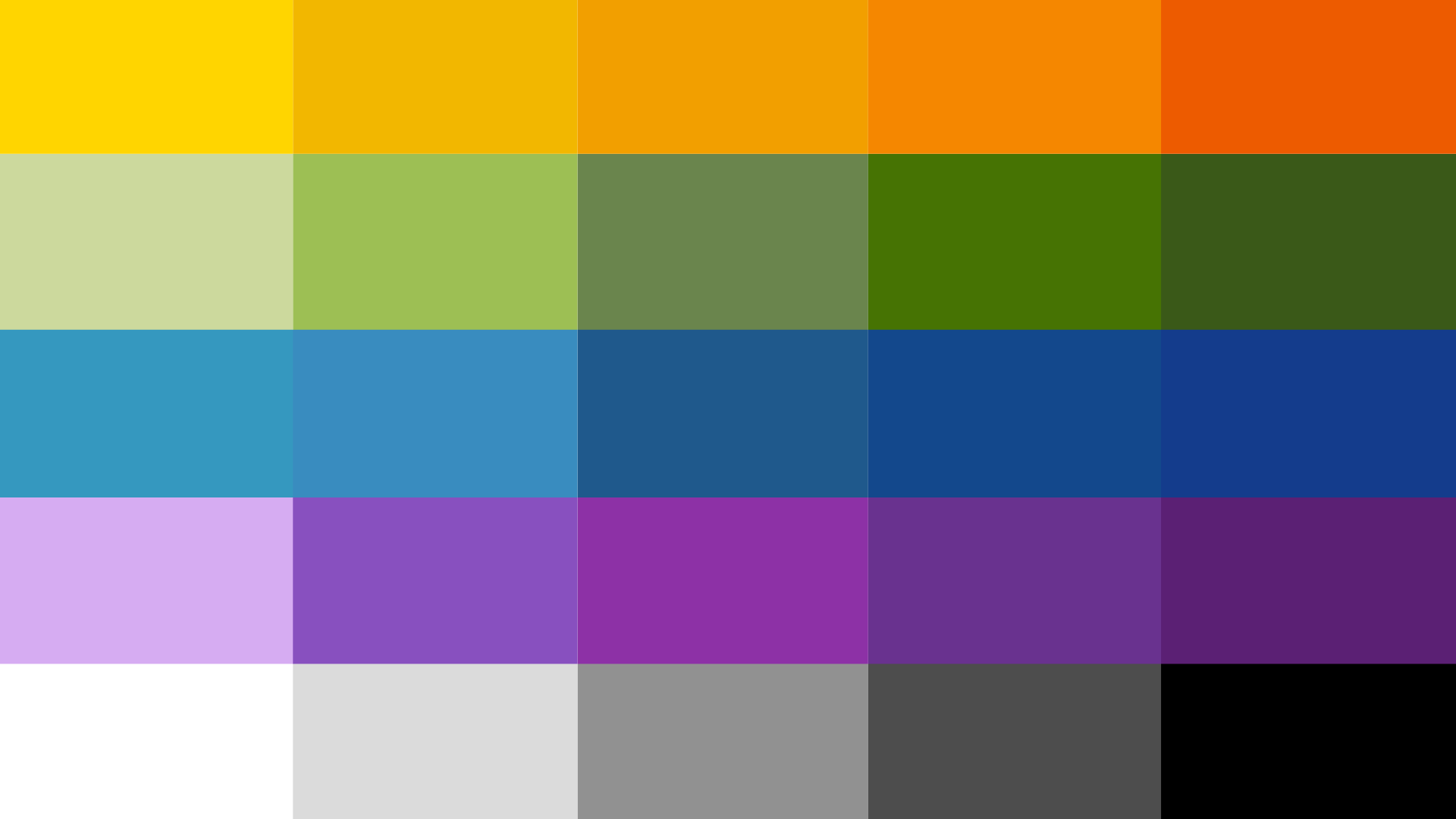
Knowing your brand colors is about more than saying, “Our brand color is blue.” Because there a million different shades of blue.
If your brand has established color specifications, have those available. Depending on how your brand uses color, that could include HEX, RGB, CMYK, or Pantone values.
This matters because the color you see on your computer screen isn’t necessarily the exact color you’ll see on a printed package. The material, ink, printing process, coatings, and other production variables can all affect how a color appears.
Having defined brand colors gives your packaging team a starting point for creating something that feels consistent with your existing brand.
Your Fonts & Typography
Your fonts are another important part of your visual identity.
If your brand uses specific fonts, provide the names and any guidelines around how they should be used. If you have primary and secondary fonts, specific font weights, or other typography rules, those can be helpful too. And don’t forget about licensing. Make sure the fonts your brand uses are properly licensed for the intended commercial application.
Typography also has to work in the real world. A font that looks great in a giant website headline may not be the best choice for small packaging copy, instructions, or required information. Good packaging design has to balance brand personality with readability and available space.
2. Your Product Information
Now for the product itself.
Your packaging needs to tell customers what they’re buying, and depending on the product, it may need to communicate quite a bit more.
Before packaging design begins, gather the information that needs to appear on the package.

That might include:
Product name
Product description
Ingredients
Net weight or volume
Directions for use
Warnings
Storage instructions
Manufacturer or distributor information
Website or contact information
SKU
UPC or barcode
Lot or batch information
Expiration or best-by information, where applicable
Certifications or required marks
Country-of-origin information, where applicable
The exact information you’ll need depends on your product and where you’re selling it.
The important thing is to think about this before the design is finalized. It’s much easier to plan for a large amount of required copy from the beginning than to discover at the end of the project that you need to squeeze another paragraph onto the package. Your packaging needs to look good, but it also needs to communicate the information your customers need.
3. Know What Your Product Requires From a Regulatory Standpoint
If you’re selling a regulated product, understanding the applicable labeling requirements needs to be part of your packaging process from the beginning.

Different types of products can have very different requirements. Food, cosmetics, dietary supplements, drugs, and other regulated products may have specific rules about what information needs to appear on packaging and how that information must be presented.
For example, FDA guidance for cosmetics covers requirements involving product identity, net quantity, business information, ingredients, warnings, placement, prominence, and type size. Dietary supplements have their own labeling requirements, including a statement of identity, net quantity, nutrition labeling, ingredient information, and manufacturer, packer, or distributor information.
That doesn’t mean your packaging partner needs to be your regulatory consultant. In fact, brands should know the requirements that apply to their products and should consult the appropriate regulatory agency or qualified professional when necessary.
What your packaging partner can do is help make sure those requirements are considered during the packaging and design process. The biggest mistake is waiting until the artwork is finished to figure out what legally needs to be included. Bring those requirements into the project early, and you’ll have a much better chance of creating packaging that looks great and has room for everything it needs to say.
Note: Regulatory requirements can change and vary by product and market. Always verify the current requirements that apply to your specific product before finalizing packaging.
4. Your Product Dimensions
Here’s a simple question that can have a surprisingly big impact: What exactly are we putting inside the package?

You’ll want accurate measurements for your product, including:
Length
Width
Height
Diameter, if applicable
Weight
Quantity per package
Any unusual shapes
Any fragile or protruding components
The dimensions of your product affect much more than whether it physically fits inside the package.
They can influence the packaging structure, inserts, materials, protection, shipping efficiency, storage, and overall cost.
And don’t forget to account for everything that will actually be packaged. If your product comes with a scoop, applicator, accessories, instruction booklet, promotional card, or anything else that needs to go inside the package, those pieces matter too. A package needs to be designed around the complete package contents, not just the main product.
5. How Will Your Packaging Be Used?
Knowing where your packaging is going is just as important as knowing what's going inside it.
Ask yourself: What is this package going to experience?

Will it be:
Shipped directly to customers?
Sold on a retail shelf?
Used at a farmers market?
Part of a subscription box?
Placed inside another shipping box?
Used for e-commerce fulfillment?
Handed out at an event?
Designed as a promotional or influencer package?
A package designed to sit on a retail shelf may have very different requirements from one that needs to survive being shipped across the country. A beautiful retail carton may not be designed to withstand the same handling as a shipping box. Similarly, packaging that will be placed inside another box may not need the same level of protection as packaging that is going directly from your warehouse to a customer's doorstep.
Understanding the packaging’s journey can help determine the right structure, materials, protection, and overall approach.
6. Quantity, Timeline & Budget: They All Work Together
Three of the biggest questions in any packaging project are:

How many do you need?
When do you need them?
What are you hoping to spend?
And while these may sound like three separate questions, they’re actually closely connected.
Your quantity can affect your per-unit cost. Your timeline can influence production and shipping options. Your budget can affect the materials, structures, finishes, and customization options available to you.
Change one, and you may need to revisit the others.
For example, ordering a larger quantity may change the economics of a project. A tight deadline may limit the number of production or shipping options available. A specific budget may mean looking at different materials or finishes to find the right balance between appearance, performance, and cost.
That’s why it’s helpful to have at least a general idea of all three before getting started. You don’t necessarily need a final quantity, exact budget, and firm delivery date on day one. But knowing that you need approximately 5,000 pieces, want to stay around a certain cost per unit, and need them in hand before a specific product launch gives your packaging partner valuable information.
Think of quantity, timeline, and budget as three pieces of the same puzzle.
The more clearly those pieces fit together, the easier it is to find a packaging solution that makes sense for your business.
But What If You Don’t Have All of These Things?
That’s okay. Really. Not every brand comes into a packaging project with a perfectly organized folder containing a vector logo, documented brand colors, finalized product copy, exact product dimensions, regulatory requirements, and a detailed packaging budget. Sometimes you know you need custom packaging, but you’re not quite sure what you need to get started.
That’s where a packaging partner can help. At Merchant Boxes, part of the process is helping brands curate the information and materials they need to move their packaging project forward.
Maybe your logo files aren’t in the right format.
Maybe your brand colors have never been formally documented.
Maybe you aren’t sure how much information needs to fit on the package.
Maybe you’re still working through the exact dimensions of your product.
Maybe you have a general budget and timeline but aren’t sure what those mean for your packaging options.
You don’t have to have every answer before starting the conversation. The goal is to gather what you know, identify what’s missing, and work through the rest. Sometimes that means helping you organize your existing brand assets. Sometimes it means working through packaging specifications. And sometimes it means helping you determine what information needs to be gathered before the design process can begin.
Custom packaging isn’t a test you have to pass before you can get started. It’s a process.
And having a packaging partner involved early can help you figure out what you need, what you’re missing, and what options make sense for your product and your business.
Your Custom Packaging Starter Checklist

Before starting a custom packaging project, ask yourself:
☐ Do we have our logo files?
☐ Do we know our brand colors?
☐ Do we have our brand fonts and typography information?
☐ Do we have brand guidelines, if applicable?
☐ Do we know what information needs to appear on the package?
☐ Do we understand the regulatory requirements for our product?
☐ Do we know the product’s dimensions and weight?
☐ Do we know how the packaging will be used and shipped?
☐ Do we have an estimated quantity?
☐ Do we have a target budget?
☐ Do we have a target timeline?
If you can check every box, great. You are ahead of the game.
If you can’t, that doesn’t mean you aren’t ready for custom packaging. It just means there may be a few things to figure out along the way.
Custom Packaging Starts With What You Know
Creating custom packaging doesn’t begin with a blank dieline or a design file.
It begins with understanding your brand, your product, your customers, and the practical requirements of getting that product into the world.
Your logo, colors, typography, product information, dimensions, regulatory requirements, quantity, timeline, and budget all play a role in determining what your final packaging can, and should, look like.
And if you don’t have all of those pieces figured out yet? That’s okay. Start with what you have.
The right packaging partner can help you identify what’s missing, curate the information you need, and turn those pieces into packaging that works for your brand.
Because custom packaging should be more than putting your logo on a box.
It should be a thoughtful extension of your brand, built around your product and designed for the real world.