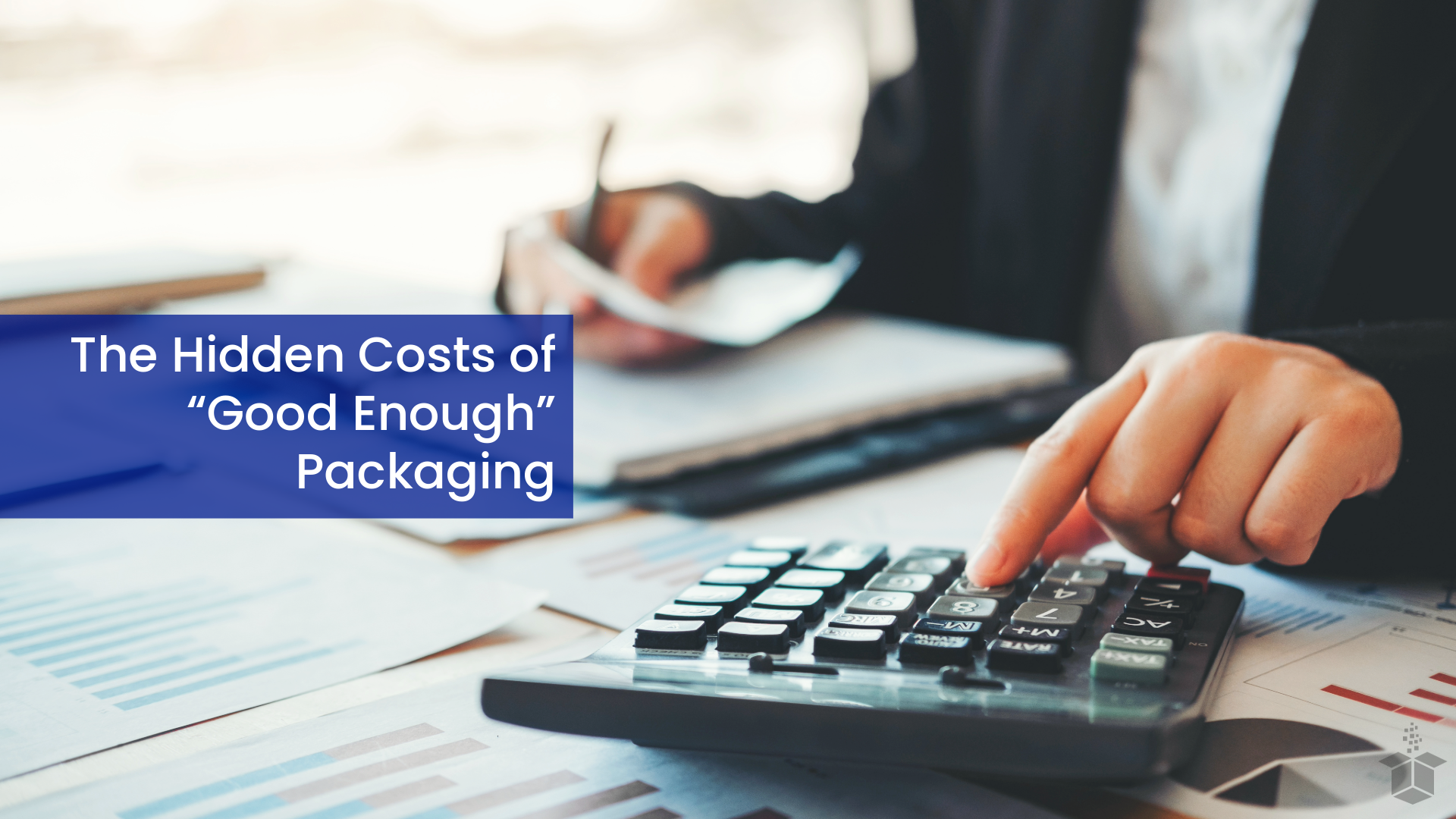
The Hidden Costs of “Good Enough” Packaging
Packaging rarely gets invited into strategic conversations. It shows up when something needs to ship, when a new product is launching, or when someone realizes they’re about to run out of boxes. It’s a task to check off, not a topic to linger on.
So when time is tight, many brands default to “good enough.” The box works. The label fits. The product gets out the door. Problem solved… right?
Not exactly.
“Good enough” packaging has a habit of sticking around long after it was meant to. And while it may not look expensive upfront, it often becomes one of the quietest and most persistent drains on a brand’s budget.
When Temporary Packaging Becomes Permanent
Most brands don’t plan to live with subpar packaging. It usually starts as a placeholder: something to get through a busy season, a fast launch, or a growing pain. The assumption is that it will be revisited later.
But packaging touches everything. Once it’s in your system (procurement, warehousing, fulfillment, marketing), changing it suddenly feels like a much bigger project than expected. So it just stays. And the costs start piling up in places no one initially thought to look.
Shipping: The Cost You Feel Every Time (Even If You Don’t Realize Why)
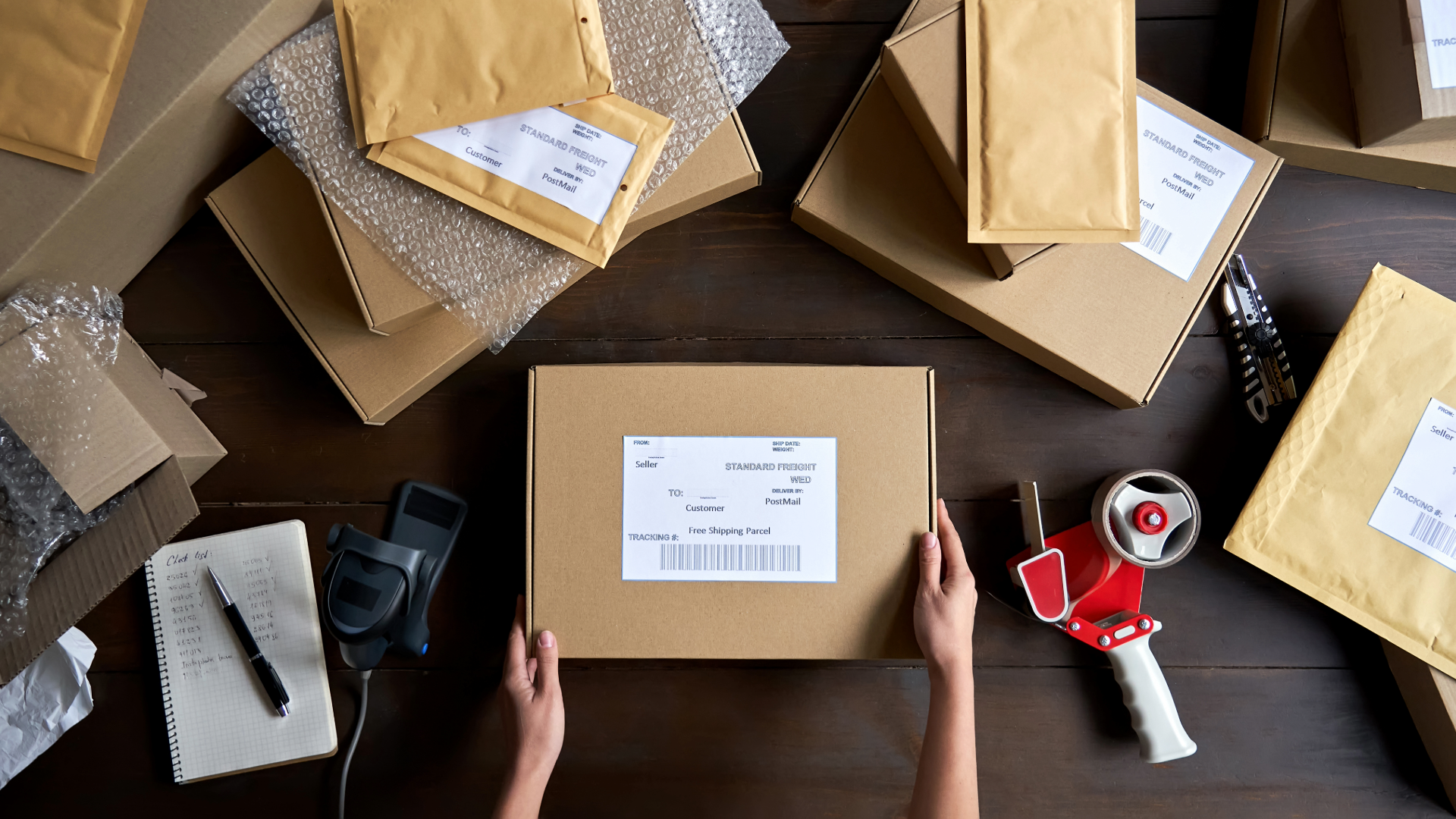
One of the fastest ways “good enough” packaging eats into margins is through shipping.
Boxes that are just a little too big don’t seem like a big deal… until they are. That extra space means more void fill, higher dimensional weight charges, and fewer units fitting on a pallet. Multiply that by hundreds or thousands of shipments, and suddenly, freight costs start creeping up with no obvious explanation.
What makes this especially tricky is that these expenses don’t show up labeled as “packaging problems.” They show up as higher shipping invoices, which often get blamed on carriers, fuel surcharges, or rate increases… when in reality, the packaging itself is part of, if not the whole, issue.
In other words, the box didn’t get more expensive. Shipping it did.
Inventory Headaches You Didn’t Sign Up For
Another hidden side effect of quick packaging decisions is SKU chaos.
When packaging is created reactively, it’s usually designed for one product, one size, one moment in time. Fast forward a year, and that approach can leave brands juggling a surprising number of packaging components that don’t work well together.
Warehouses start filling up with boxes that only fit one SKU, labels that can’t be reused, and packaging materials ordered in quantities that made sense at the time, but don’t anymore. It’s not uncommon to see shelves of perfectly usable packaging that simply doesn’t align with the current product lineup.
That inventory represents more than clutter. It’s cash sitting still, storage space being eaten up, and reorders happening sooner than they should because nothing was designed to flex.
Reprints: The Cost of Rushing (and Re-Rushing)

Reprints are one of the most frustrating packaging expenses because they’re rarely planned and often completely avoidable.
When packaging moves too quickly through the design and production process, small oversights can slip through. A missing compliance statement. A barcode is placed just slightly wrong. Copy that worked for one SKU but not the next. Each issue may seem minor, but the fix is rarely small.
Reprints don’t just cost money. They cost time, momentum, and sometimes even credibility when launches are delayed or orders have to be held. And because these situations often happen under pressure, they usually come with rush fees attached.
Ironically, many of these issues stem from trying to save time or money upfront, only to spend more of both later.
The Real Cost When Your Brand Starts to Look a Little… Off
Not all packaging costs show up on a spreadsheet or invoice.
Brand inconsistency is one of the quietest side effects of “good enough” packaging, and one of the easiest to miss internally. Colors drift slightly from run to run. Materials change depending on availability. Logos move. Messaging evolves without being fully aligned.
Individually, none of these things feels catastrophic. But when customers encounter your brand across multiple touchpoints, whether it’s online orders, retail shelves, or subscription boxes, those small inconsistencies add up. The experience starts to feel less intentional, less polished, and less trustworthy.
Internally, this inconsistency creates friction as well. Marketing teams work harder to maintain cohesion. Operations teams manage more exceptions. Sales teams explain differences that shouldn’t need explaining.
It’s not about being perfect. It’s about being consistent.
The Operational Friction No One Talks About
Then there’s the cost that almost never gets discussed: the extra effort required to make imperfect packaging work.
Fulfillment teams spend more time choosing the right box. Packing processes involve extra steps. Training takes longer because nothing is standardized. Errors happen more often because there are more variables to manage.
Each of these moments is small. But together, they slow things down, increase labor costs, and make scaling harder than it needs to be. Teams compensate, adapt, and move on, but the inefficiency remains baked into daily operations.
Why Packaging Is a Financial Decision (Whether You Treat It Like One or Not)

Packaging is often viewed as a creative or branding expense, but in reality, it’s deeply tied to a brand’s financial health.
It influences how much you spend on shipping, how much inventory you carry, how often you reprint, and how efficiently your team operates. Even brand perception, which directly impacts repeat purchases, is shaped by packaging consistency and quality.
When packaging is treated as an afterthought, brands tend to optimize for the cheapest or fastest solution in the moment. When it’s treated as part of a broader strategy, decisions start to account for what happens after the box leaves the printer.
So What Does “Better” Actually Mean?
Better packaging doesn’t mean over-designed or over-budget. It means intentional.
It means thinking about how one box size could work across multiple products. How labels could flex as assortments change. How designs reduce the risk of reprints. How packaging shows up across every channel, not just one.
Most importantly, it means asking how packaging will support the business six months or a year down the line… not just today.
The Real Cost of “Good Enough”
The irony of “good enough” packaging is that it rarely stays inexpensive. The costs just move around. They hide in freight invoices, warehouse shelves, rushed reorders, and internal workarounds.
Brands that grow efficiently aren’t the ones constantly reinventing their packaging, and they aren’t the ones cutting corners either. They’re the ones who made thoughtful decisions early, knowing that packaging isn’t just a box.
It’s infrastructure. And infrastructure built without a plan always ends up costing more in the long run.