

The True Cost of Cheaper Packaging: Is Saving a Few Cents Really Worth It?
When brands evaluate packaging costs, the conversation often starts and ends with price per unit.
“How much can we save per bag?”
“What if we switch to a lower-cost box?”
“Can we shave a few cents off?”
On paper, saving $0.03 per unit can look like a smart financial decision. Multiply that across thousands or millions of units, and suddenly it feels like a major cost reduction.
But here’s the question more brands should be asking:
What is that $0.03 actually costing you?
Because cheaper packaging rarely stays cheap once you look at the full picture.
The Hidden Trade-Offs Behind Lower-Cost Packaging
Saving a few cents per unit sounds harmless, even responsible, especially when budgets are tight and margins matter.
But packaging decisions rarely exist in isolation.
When you reduce cost, you’re usually changing something behind the scenes: materials, print processes, structural engineering, finishing techniques, or manufacturing consistency. And while those changes may seem small during procurement, they can create ripple effects that impact everything from operations to customer perception.
Let’s look at what those “small savings” can actually introduce.
Print Quality: The Silent Brand Killer
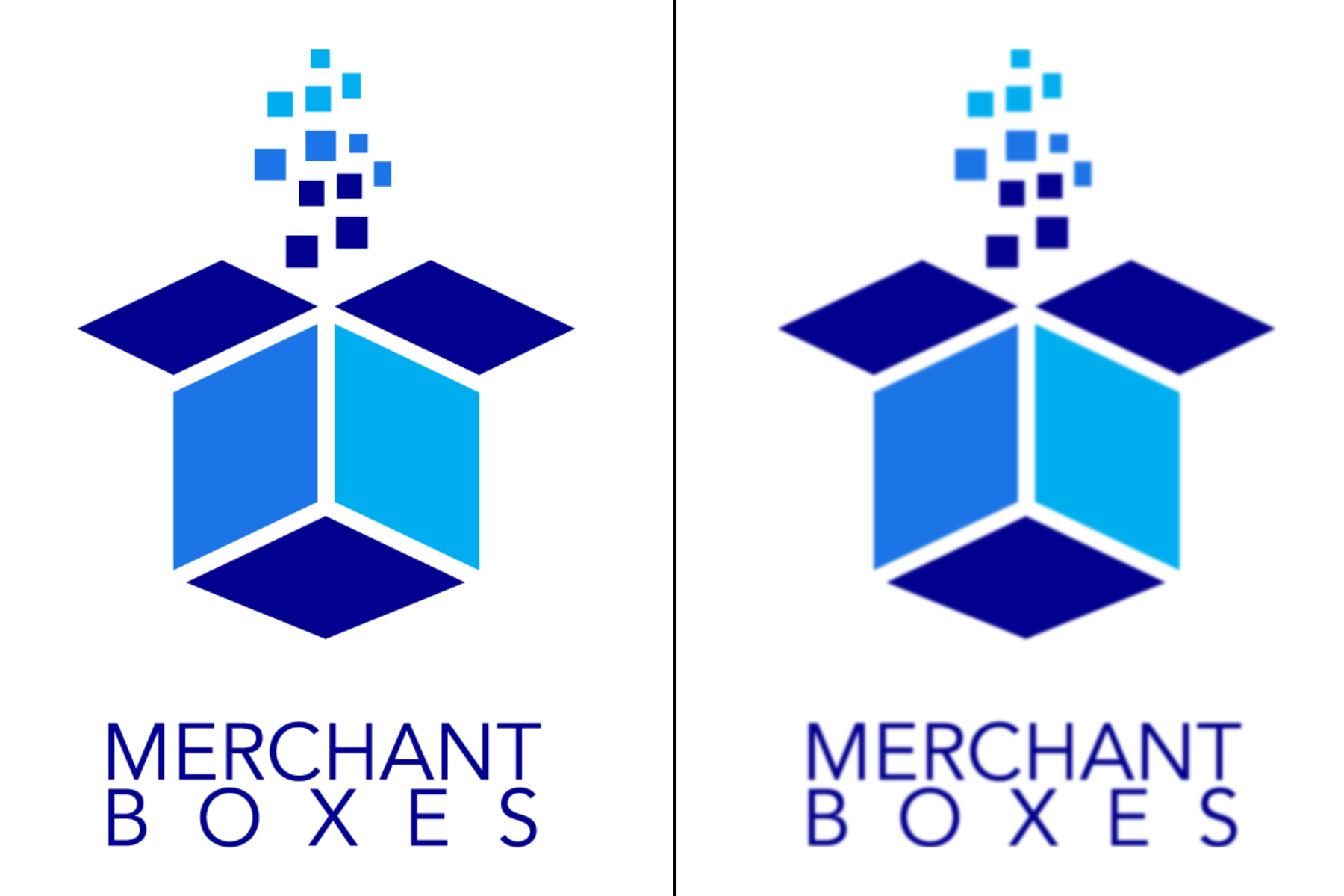
Crisp Image vs. Slightly Blurry Image
Printing is another area where cost reductions often hide.
Lower-cost production methods might involve:
Fewer color controls
Less precise color alignment that makes graphics slightly blurry or just “off”
Simplified finishing
Lower-resolution outputs
The result?
Colors that look different from your brand guidelines. Logos that don’t feel crisp. Designs that appear flatter or less vibrant than intended.
Individually, these details seem minor. But collectively, they weaken brand consistency, especially when customers compare your packaging to competitors who invest in higher-quality print execution.
Brand perception is built from tiny details. When those details slip, your brand can unintentionally look less polished, less intentional, or less premium.
Material Quality: When Thinner Doesn’t Mean Smarter
One of the most common ways suppliers reduce costs is by adjusting materials, such as slightly thinner films, lower-grade paperboard, or simplified laminations.
On paper, the difference may feel minimal.
In reality, it can show up in ways customers immediately notice:
Bags that feel flimsy instead of substantial
Boxes that lose their shape during transit
Corners that crush more easily
Packaging that wrinkles, scuffs, or tears with normal handling
Customers may not know the technical specifications, but they instinctively associate weight, texture, and durability with product quality.
That means even a perfectly good product can feel less premium simply because the packaging doesn’t hold up to the same standards.
And once perception shifts, it’s hard to undo.
Structural Integrity: Where “Cheap” Gets Expensive Fast
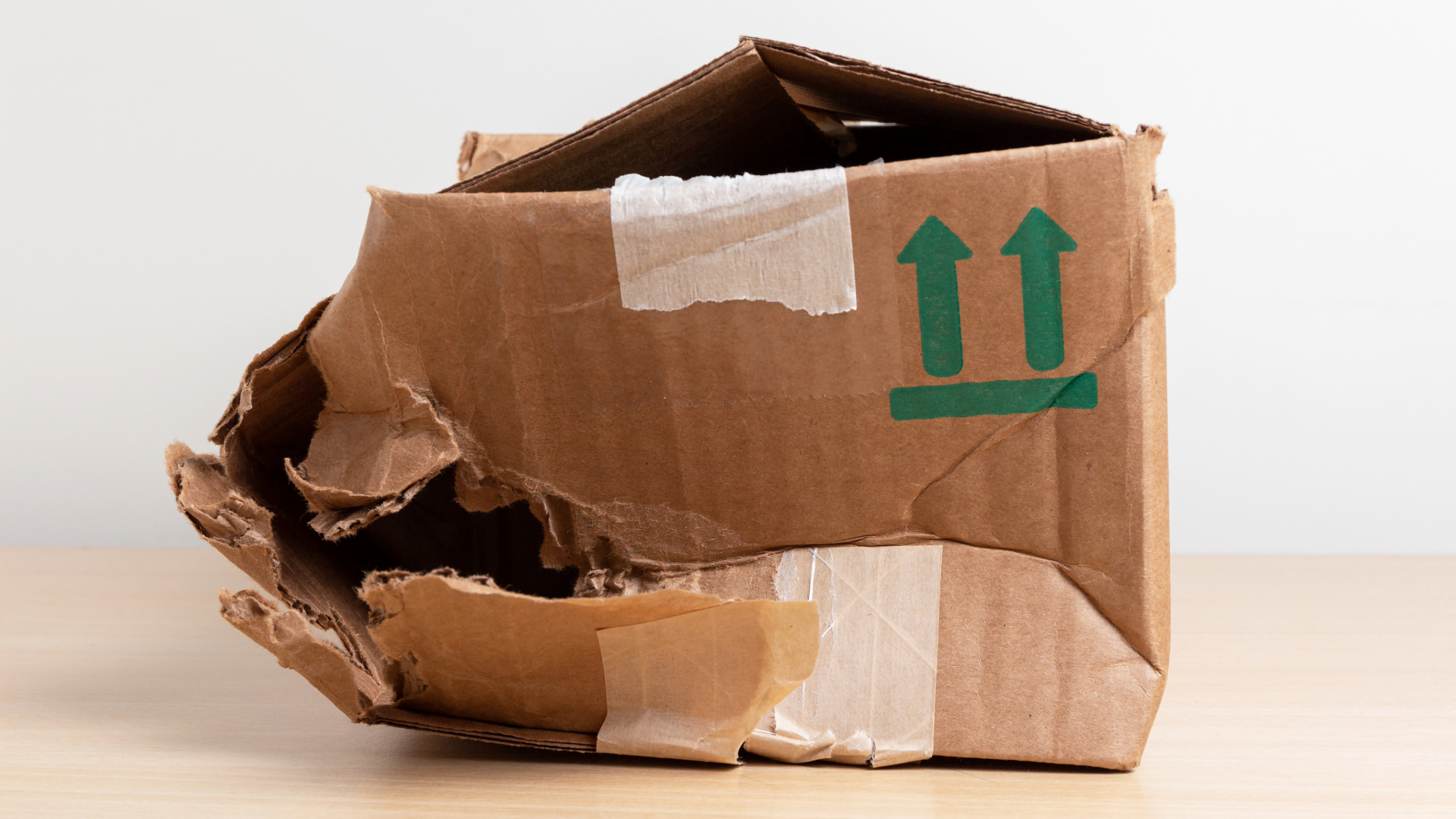
Structural performance is one of the most overlooked costs of cheaper packaging.
A design that saves pennies upfront may:
Lack sufficient strength for stacking during shipping
Provide less protection against compression or impact
Require more internal fillers or void fill
Increase the risk of damage during fulfillment or transit
And here’s where things get interesting: even a small increase in damage rates can erase any cost savings almost immediately.
Returns, replacements, customer service time, and lost goodwill all add up quickly.
That $0.03 savings? It disappears faster than most brands expect.
Operational Headaches You Didn’t Budget For
Lower-cost packaging doesn’t just affect the customer, but it can also affect your team.
Brands sometimes experience:
Packaging that is harder or slower to assemble
Inconsistent sizing that disrupts automation or fulfillment workflows
Increased waste due to defects or quality inconsistencies
More frequent reorders because of supply variability
These hidden inefficiencies rarely show up on a packaging invoice, but they absolutely impact operational costs.
And time, as any operations team knows, is money.
Customer Experience: The Subtle Signals Customers Always Notice

Here’s the part that many brands underestimate:
Customers are incredibly perceptive.
They notice when:
A bag feels thinner than before
A box arrives dented more often
Colors look slightly faded
The overall experience feels less intentional
They may not articulate exactly what changed, but they feel it.
And that feeling shapes how they perceive your brand’s quality, attention to detail, and reliability.
Packaging isn’t just protection. It’s communication, and every detail sends a signal.
The Real Math: A Quick Reality Check
Imagine two brands producing 500,000 units per year.
Brand A switches to a lower-cost packaging option to save $0.03 per unit, for a total savings of $15,000 annually. On paper, it looks like an easy win.
Brand B keeps its higher-quality custom packaging and focuses on optimizing performance rather than cutting quality.
At first, the difference seems small. But over time, Brand A starts noticing subtle shifts: more dented boxes, packaging that feels thinner, colors that look slightly off, and fewer customers sharing their unboxing experience online. Returns increase slightly. Customer perception quietly changes.
None of these issues alone seems dramatic, but together, they begin to erode the value of those initial savings.
Meanwhile, Brand B maintains consistency in protection, presentation, and brand experience.
That’s the real math behind packaging decisions: saving a few cents upfront can cost far more if it impacts performance, perception, or customer trust.
Custom Packaging Isn’t About Spending More. It’s About Spending Smarter

Custom packaging doesn’t necessarily mean expensive packaging.
It means intentional packaging.
Well-designed custom solutions often:
Optimize material usage
Improve shipping efficiency
Reduce waste
Enhance protection
Elevate brand presence
In many cases, investing slightly more upfront leads to stronger performance across the entire lifecycle of the product.
The goal isn’t to spend more. It’s to create packaging that works harder for your brand.
Where Brands Get It Wrong and What Actually Matters
The biggest mistake brands make isn’t choosing cheaper packaging.
It’s evaluating packaging only through the lens of short-term cost instead of long-term value.
Packaging decisions aren’t just procurement decisions, it’s a brand decision.
They influence how customers perceive quality, how efficiently operations run, and how confidently your product shows up in the world.
Customers may never know the exact cost of your packaging, but they absolutely notice how it feels, how it performs, and how it reflects your brand.
So the real question isn’t: “Is custom packaging worth a few extra cents?”
It’s: “What does saving a few cents cost your brand, and is that a trade you really want to make?”