From Soil to Shelf: Where Packaging Meets Nature
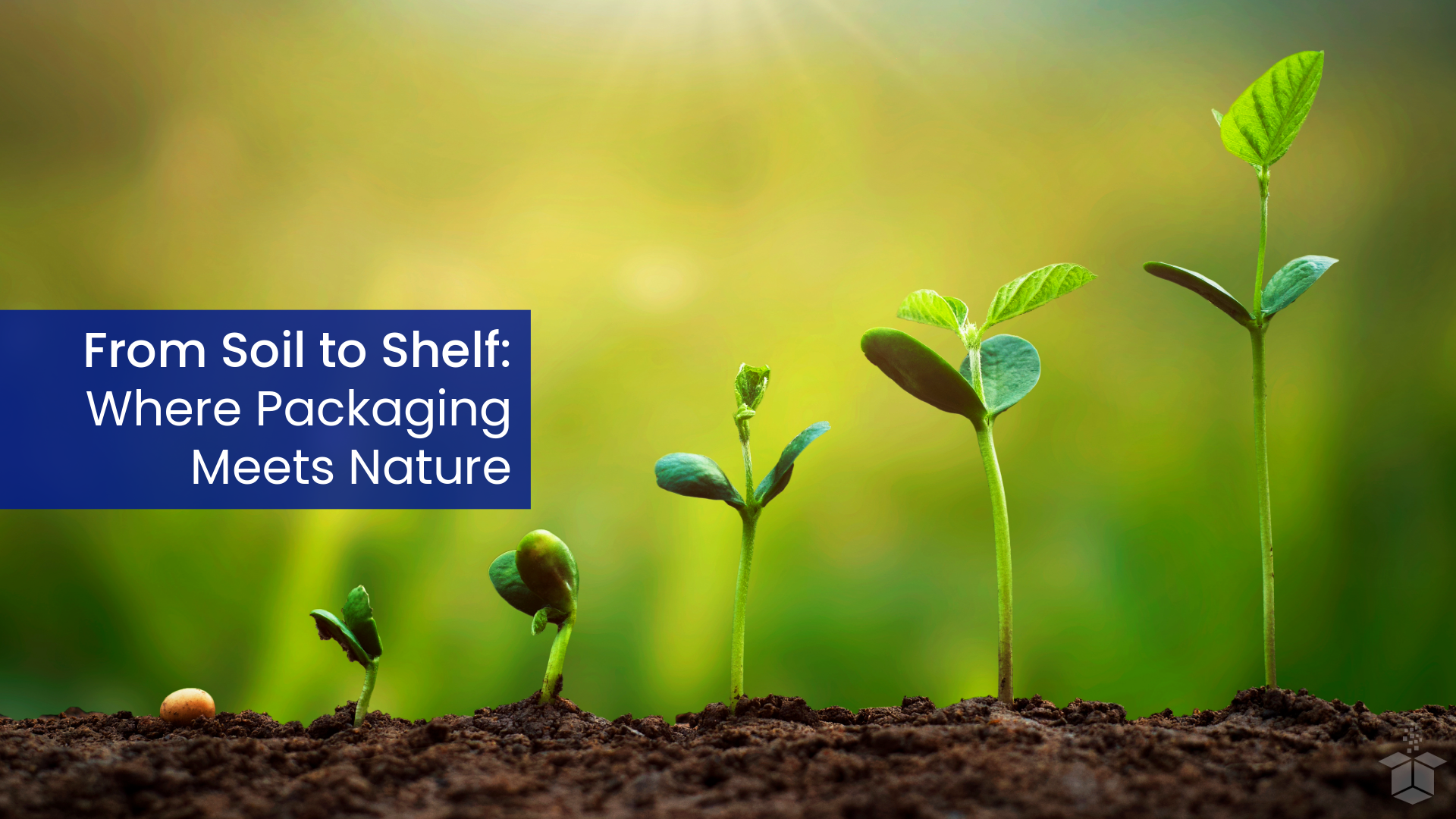
Spring has a way of making everything feel possible again. Plants come back to life. Farmers start planting. Fresh ideas feel… fresher. And across industries, there’s a noticeable shift toward materials and systems that feel more connected to the natural world.
Packaging is no exception. For years, sustainability in packaging was framed as a compromise. Less plastic, sure… but at the cost of durability. Recyclable, maybe… but confusing for the end user. Eco-friendly, but not always brand-friendly. That narrative is changing. Plant-based packaging isn’t just a trend anymore. It’s becoming a serious, scalable, and design-forward solution that’s reshaping how brands think about materials, performance, and the lifecycle of their packaging.
And if you’re a brand thinking about the future, this is a space worth paying attention to.
What Is Plant-Based Packaging, Really?
Let’s clear something up first. Plant-based packaging doesn’t just mean “made from plants instead of plastic.” It’s broader and way more interesting than that.
It includes materials derived from renewable biological sources like:
Agricultural byproducts
Fibers from plants like hemp, bamboo, or sugarcane
Mycelium (yes, mushrooms)
Seaweed and algae
Starches and cellulose-based compounds
The goal isn’t just to replace traditional materials. It’s about rethinking how packaging is sourced, produced, used, and ultimately disposed of.
Instead of pulling from finite resources, plant-based packaging leans into systems that can regenerate. And that shift? It’s a big one.
Mushroom Packaging: Nature’s Protective Design
If you haven’t seen mushroom packaging yet, it almost feels like science fiction. But it’s very real… and very smart.
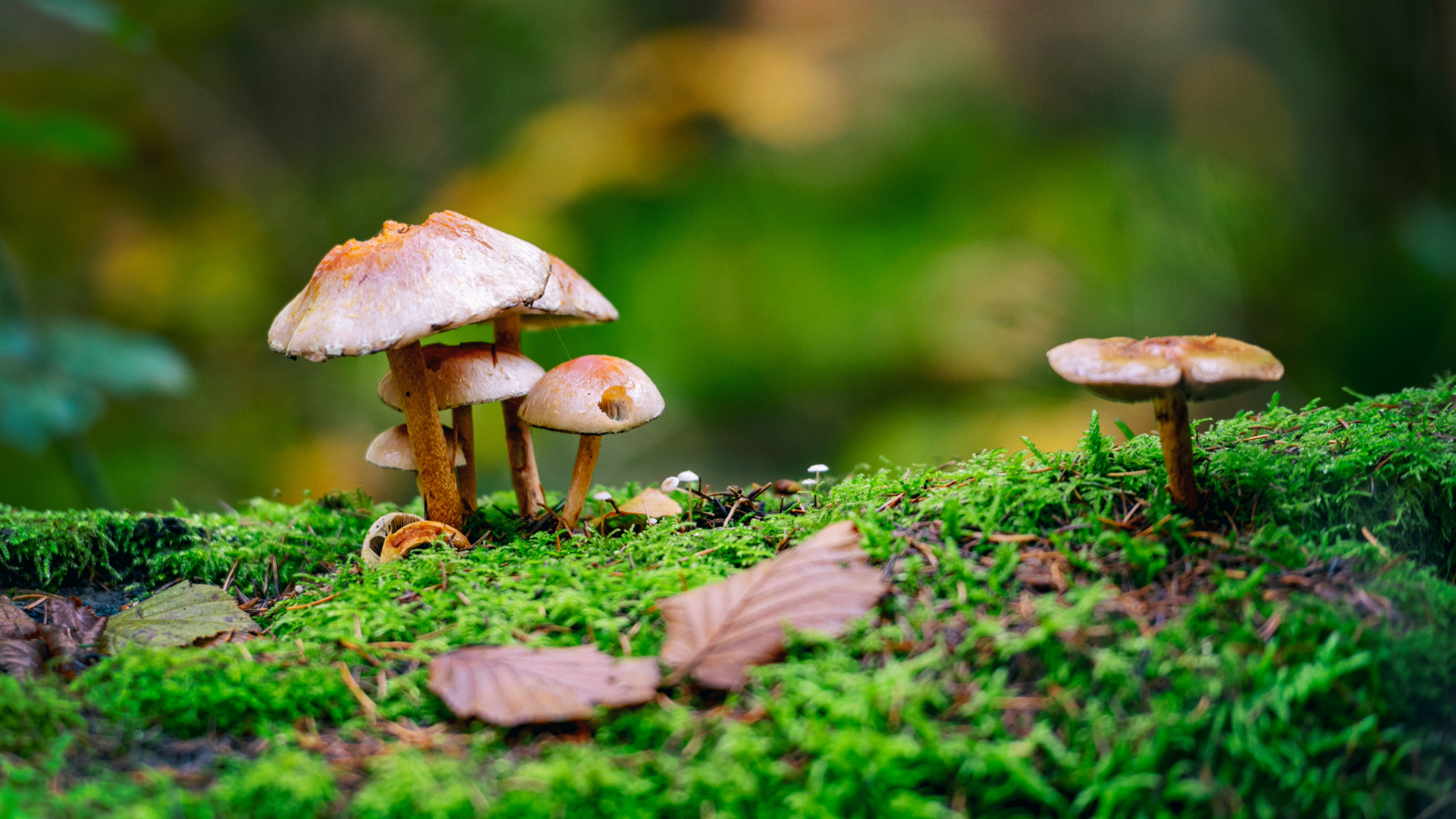
Mushroom packaging is made using mycelium, the root structure of fungi. When combined with agricultural waste like corn husks or hemp fibers, it grows into a dense, protective material that can be molded into specific shapes.
Let that sink in for a second: This isn’t manufactured in the traditional sense. It’s grown. It’s natural. Kinda crazy, right?
Why brands are paying attention:
Protective and durable – Comparable to foam for cushioning
Custom-molded – It can grow into the exact shape needed
Compostable – Breaks down naturally in weeks, not years
Low waste production – Uses byproducts that would otherwise be discarded
For brands shipping fragile items or looking to replace foam inserts, this is one of the most exciting developments in packaging right now.
It’s not just sustainable. It’s functional.
Seaweed Packaging: Flexible, Edible, and Unexpected
Seaweed packaging is one of those innovations that makes people stop and look twice. Because yes, some of it is edible.
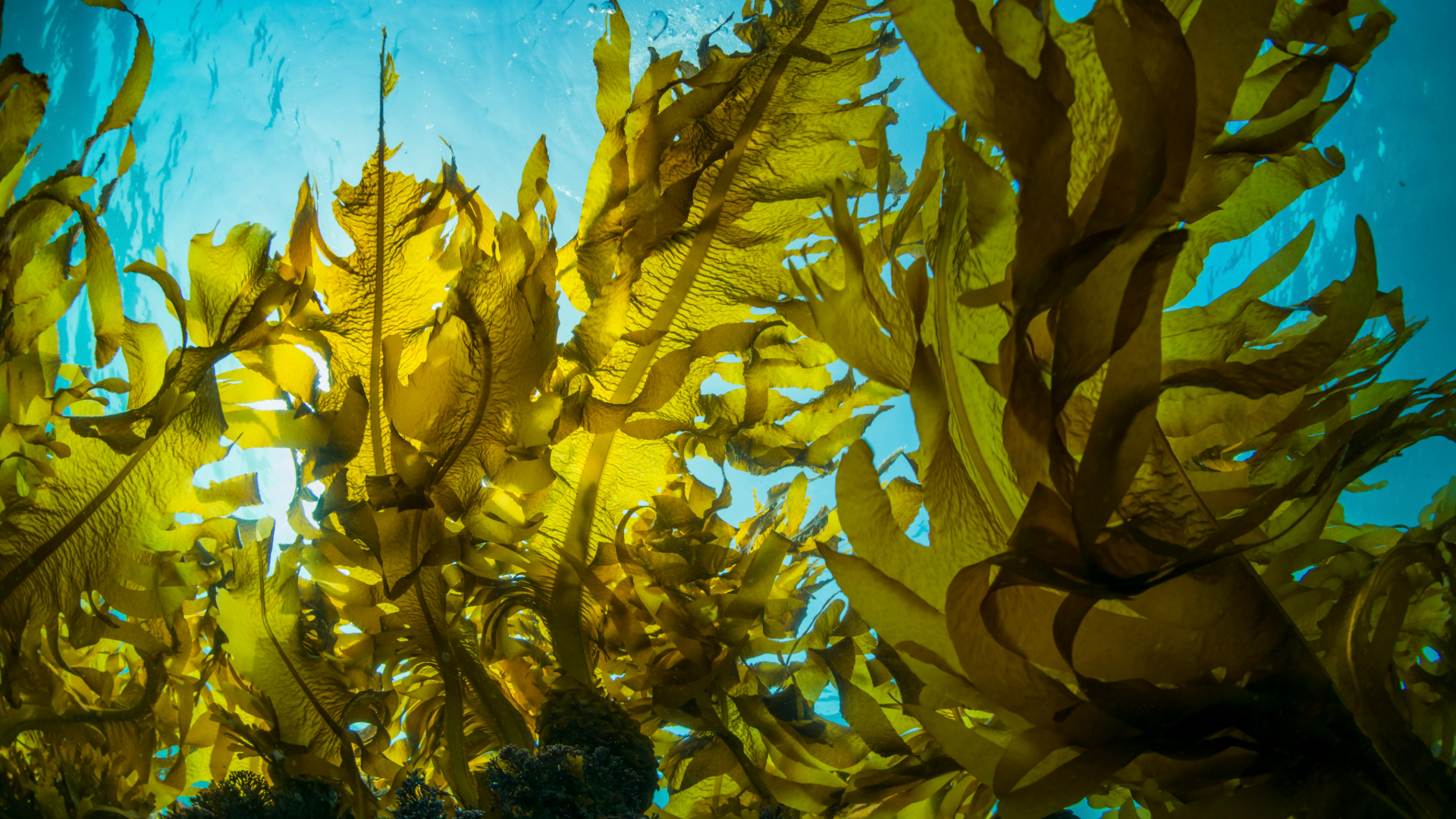
But even beyond the novelty, seaweed-based materials offer some serious advantages.
Seaweed grows quickly, doesn’t require freshwater or fertilizers, and absorbs carbon dioxide as it grows. That alone makes it an incredibly attractive raw material.
Where it’s gaining traction:
Single-use sachets (think condiments or drink pods)
Flexible films for food packaging
Dissolvable packaging applications
And from a branding perspective? It opens the door to storytelling that feels fresh and different. Consumers are curious about it. They want to touch it, learn about it, and talk about it. That kind of engagement is hard to manufacture.
Plant Fiber Alternatives: Familiar, But Smarter
Not all plant-based packaging needs to feel futuristic. Some of the most widely adopted solutions are actually the most familiar… just made better.
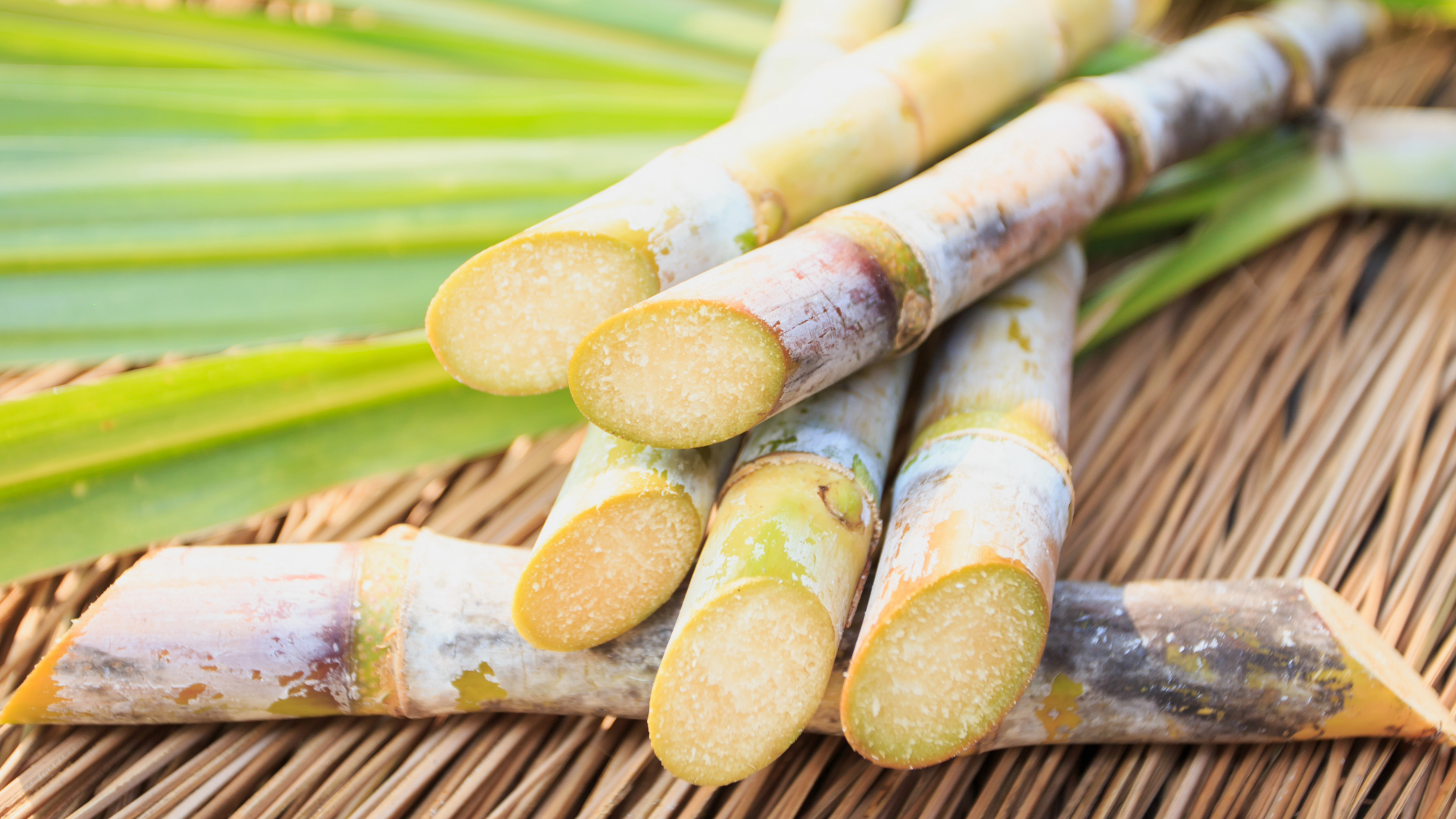
Materials like molded fiber, bagasse (sugarcane pulp), bamboo, and hemp are being used to create packaging that looks and feels similar to traditional paper-based products, but with improved sustainability profiles.
Why these materials work:
Renewable sources – Often made from agricultural waste
Compostable or recyclable – Depending on treatment and coatings
Scalable – Easier to integrate into existing supply chains
Cost-competitive – Especially at higher volumes
For many brands, this is the easiest entry point into plant-based packaging. It doesn’t require a complete overhaul. Just smarter material choices.
Compostable Packaging: The End-of-Life Advantage

One of the biggest challenges in packaging isn’t how it’s made. It’s what happens after. It’s what happens after your customer gets your product. It’s where it goes and how it is disposed of.
That’s where compostable materials come in. Instead of sitting in a landfill for decades (or centuries), compostable packaging is designed to break down into natural components under the right conditions.
But here’s where it gets important: Not all compostable packaging is created equal.
There are two main types:
Industrial compostable – Requires specific facilities and conditions
Home compostable – Breaks down in backyard compost systems
For brands, the key isn’t just choosing compostable. It’s communicating it clearly. Because if your customer doesn’t know how to dispose of it properly, even the best materials can miss their mark.
Why This Shift Is Happening Now
Plant-based packaging isn’t new, but the urgency around it is.
Consumers are paying closer attention to what brands stand for, and packaging is often the first, most visible proof point. At the same time, brands are under pressure to stand out in crowded markets, and material choice has become part of that differentiation.
What’s really accelerating the shift, though, is innovation. Plant-based materials are no longer seen as a step down in performance. They’re becoming stronger, more versatile, and more scalable, making them a realistic option, not just an idealistic one.
Where Brands Get It Wrong
The biggest mistake brands make is treating plant-based packaging like a quick win.
Switching materials without thinking through the full system, design, disposal, and customer experience, can create more confusion than impact. If customers don’t know how to properly dispose of it, or if the rest of the packaging is still excessive, the sustainability story falls apart.
There’s also a tendency to focus too heavily on upfront cost. While some materials may be more expensive initially, they often bring long-term value through brand perception, customer loyalty, and smarter design efficiencies.

How to Start Exploring Plant-Based Packaging
You don’t need to change everything overnight.
Start by identifying the areas of your packaging that create the most waste or rely on less sustainable materials. From there, test new options in small runs to see how they perform and how customers respond.
Just as importantly, think about how these materials fit into your overall brand experience. Plant-based packaging isn’t just a material swap—it’s an opportunity to tell a better, more intentional story.
The Bigger Picture
Plant-based packaging isn’t just about materials. It’s about mindset.
It challenges brands to think beyond the moment of delivery and consider the full lifecycle of what they create. What happens after the unboxing? Where does it go next? And what impact does it leave behind?
As these materials continue to evolve, so does the opportunity. Brands that lean in now aren’t just adopting a trend, but they’re helping redefine what packaging is supposed to do. Because the future of packaging isn’t just about protecting products. It’s about creating systems that are smarter, more responsible, and ultimately, regenerative.