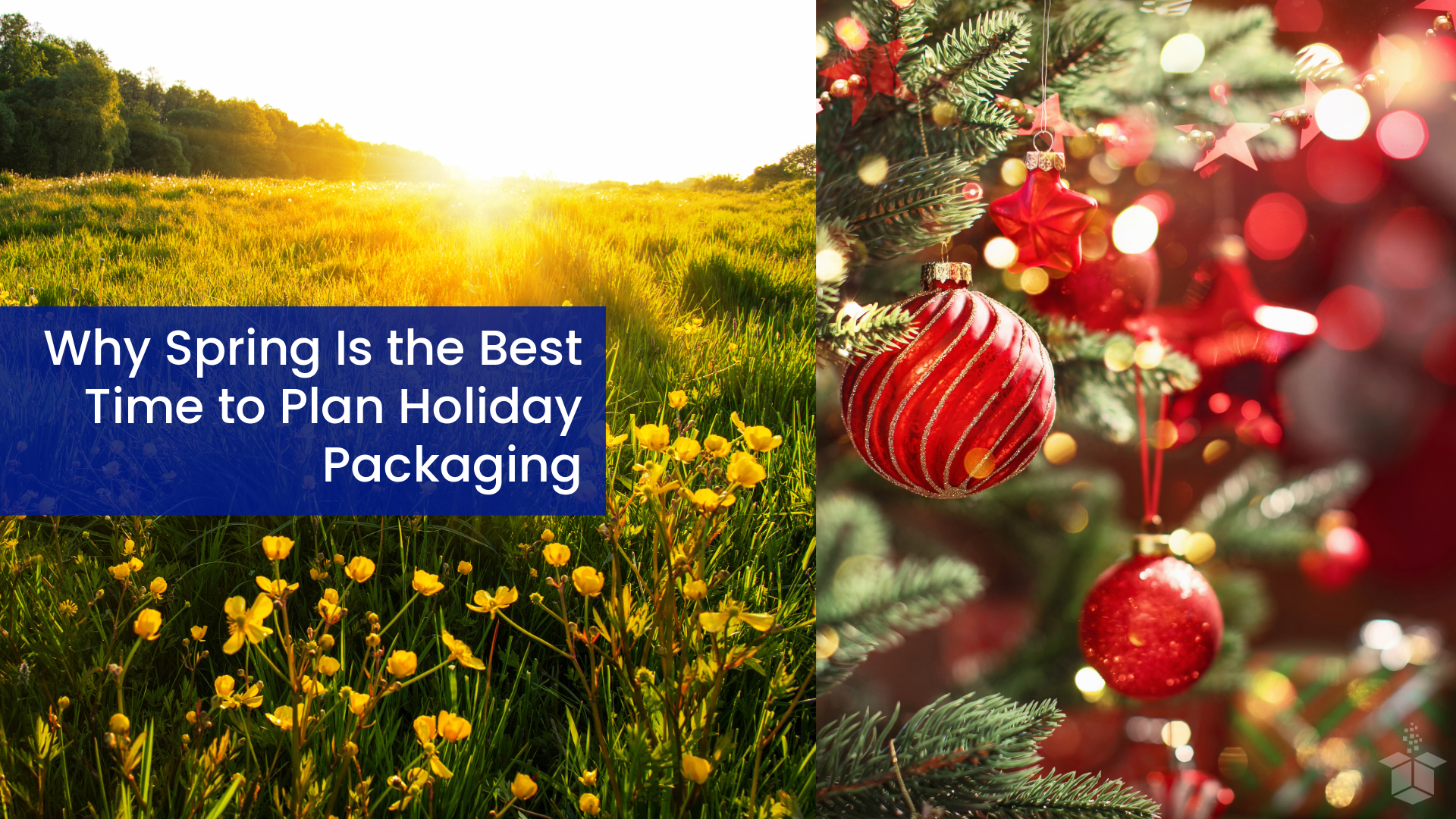
Why Spring Is the Best Time to Plan Holiday Packaging
There’s something about spring that shifts how people think.
The pace feels a little lighter. The year still feels manageable. There’s space to plan instead of react.
And while most brands are focused on what’s right in front of them (spring launches, summer prep, day-to-day operations), the smartest ones are already thinking months ahead.
They’re planning their holiday packaging.
It might sound early. Maybe even unnecessary. But in reality, spring is one of the most strategic windows you have to get holiday packaging right and avoid the stress that so often comes later.
Holiday Packaging Starts Earlier Than You Think
Holiday packaging has a reputation for being a last-minute scramble, but the truth is, it’s a long process with a lot of moving parts.
What looks like a simple box or bag on the outside is actually the result of weeks (sometimes months) of coordination. Design has to be created and refined. Materials have to be sourced. Samples need to be produced and approved. Production has to be scheduled. Then everything has to be printed, assembled, and shipped. AND THEN it has to get to your customers before Christmas. Basically, it takes a lot longer than you think,
Each step builds on the one before it, which means delays don’t stay isolated. They ripple forward.
When brands wait until summer or early fall to start, they’re already compressing a timeline that wasn’t meant to be rushed.
Spring is different. It gives you time to move through each phase the way it’s supposed to happen, instead of forcing everything to overlap.
The Lead Time Illusion

One of the biggest challenges in packaging is that timelines often look shorter on paper than they are in reality.
A production run might be quoted at several weeks, but that number usually doesn’t account for everything leading up to it. Design revisions, sampling, approvals, and material coordination all add time before production even begins.
Then there’s the seasonal factor.
As the holidays get closer, those timelines stretch. Factories fill up, suppliers get backed up, and shipping slows down under increased demand. What might feel manageable in the spring can become tight, or even risky, by late summer.
Planning early doesn’t just give you more time. It protects your timeline from becoming unpredictable later.
When Production Becomes Competitive
Packaging production isn’t just about placing an order. It’s about securing space.
As the year progresses, more brands enter the queue, all working toward the same holiday deadlines. By the time late summer arrives, production schedules are no longer flexible. They’re just plain crowded.
That’s when compromises start to happen.
Brands may find themselves adjusting timelines, reworking designs, or accepting alternatives simply because their first choice is no longer available. And trust us, you do not want that.
Spring changes that dynamic entirely. Instead of competing for space, you’re choosing it. Instead of reacting to limitations, you’re working with options.
Material Availability Isn’t Guaranteed
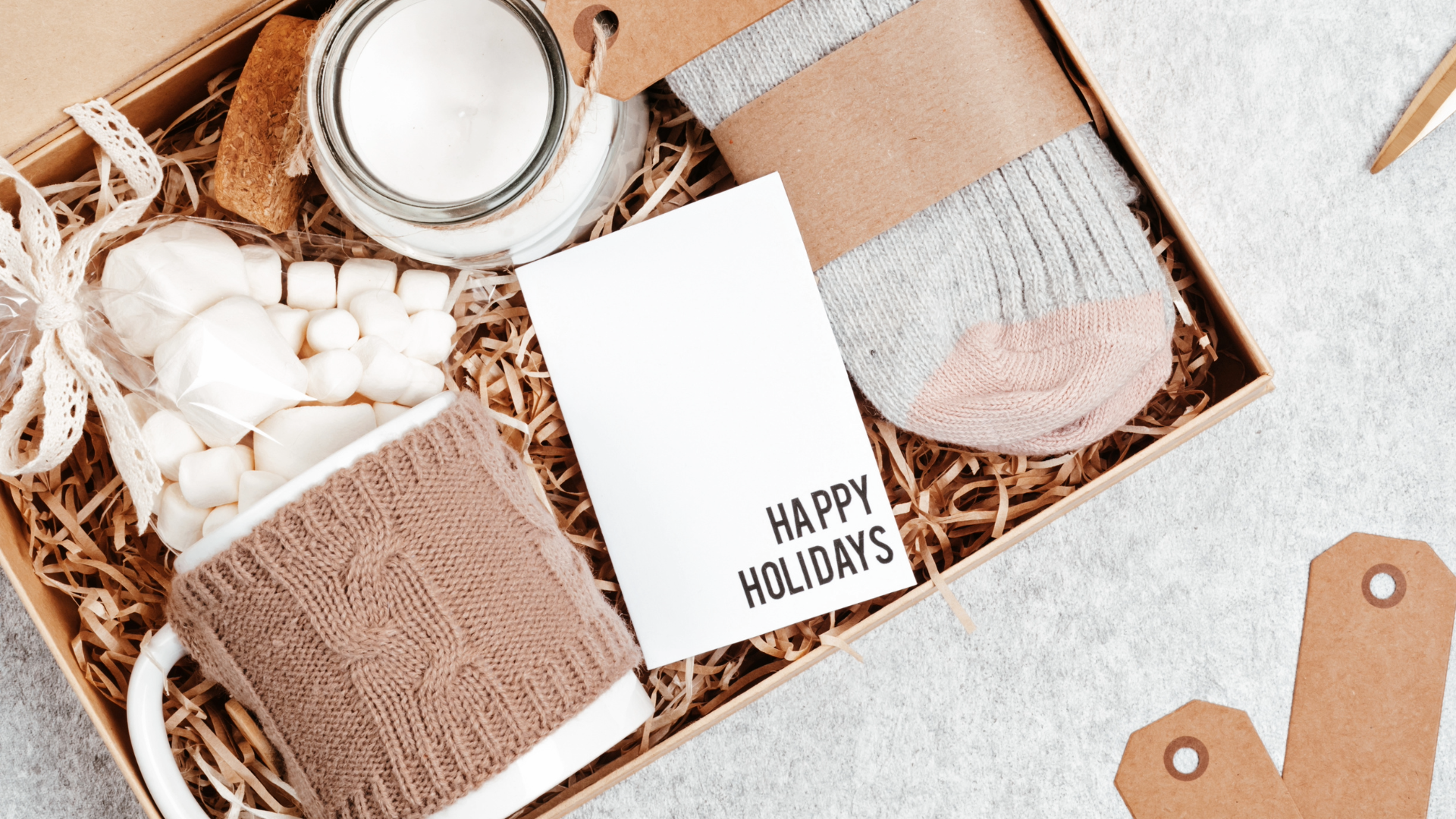
Holiday packaging often relies on materials that aren’t part of everyday production. Specialty finishes, unique textures, seasonal colors, and sustainable alternatives all require planning.
These materials don’t always sit in inventory waiting to be used. Many are produced in batches or sourced based on projected demand. As more brands begin preparing for the holidays, those materials become harder to secure.
When availability tightens, costs tend to rise, and flexibility disappears.
Starting in the spring puts you ahead of that curve. It gives you access to better options and the time to pivot if something changes. Instead of designing around constraints, you’re designing with intention.
Good Design Needs Breathing Room
Holiday packaging carries more weight than most.
It’s not just functional. It’s emotional. It’s part of the experience, part of the gift, part of how your brand shows up during one of the most competitive times of the year.
That kind of design doesn’t happen instantly.
It takes time to explore ideas, refine concepts, and find the balance between seasonal impact and brand consistency. Often, the strongest solutions come after a few rounds of iteration and not from the first concept.
When timelines are tight, design becomes reactive. Decisions get rushed, and the result is often something that feels safe or familiar instead of memorable.
Spring gives design the space it needs to actually be thoughtful. And that difference shows.
The Role of Sampling
There’s a big difference between seeing a design on a screen and holding it in your hands.
Sampling is where packaging becomes real. It’s where colors, materials, finishes, and structure all come together, and where those pesky little issues can finally be spotted and corrected. (Please don’t be that brand that misspells holdiay.)
Without that step, brands are essentially approving production based on assumptions.
When timelines are compressed, sampling is often shortened or skipped entirely. That’s when small issues turn into expensive problems at scale.
Planning earlier allows you to go through sampling properly. You can review, adjust, and move forward with confidence instead of uncertainty.
Logistics Only Get Harder

Even after production is complete, there’s still one major piece left: getting your packaging where it needs to go.
And during the holiday season, logistics become far less predictable.
Shipping networks are busier. Costs increase. Delays become more common. What might be a straightforward process earlier in the year can quickly turn into a source of stress.
Building your timeline in the spring gives you a buffer. It allows for flexibility in shipping and reduces the risk of last-minute disruptions.
It doesn’t eliminate challenges entirely, but it makes them a whole lot more manageable.
Better Planning Leads to Better Experiences
When brands aren’t rushing, they make better decisions.
They think beyond the basics. They consider how packaging feels, how it opens, and how it’s experienced. They create something that customers remember, not just something that gets the job done.
Holiday packaging is one of the few times when packaging becomes part of the moment itself. It’s photographed, shared, gifted, and talked about.
That level of impact doesn’t come from urgency. It comes from intention.
What Happens When You Wait
When holiday packaging planning gets pushed too far down the calendar, everything starts to tighten.
Timelines shrink. Costs rise. Options narrow. Stress builds.
Instead of asking what would make the biggest impact, brands start asking what’s still possible.
And now that really fun and beautiful packaging your design team created… never hit the shelf. Talk about a blue Christmas.
The Bottom Line

Spring offers something that’s hard to find later in the year: control.
Control over your timeline, your materials, your design, and your overall outcome.
Brands that use this time well aren’t just avoiding chaos. They’re setting themselves up to create better packaging, with fewer compromises and more confidence.
Because when the holidays arrive, the goal isn’t to hope everything comes together.
It’s to know it already has.