

Spring Cleaning Isn’t Just for Houses… Your Packaging Needs It Too

Spring has a funny way of motivating people. The sun stays out longer. The air feels a little warmer. Windows get opened, plants start coming back to life, and suddenly everyone feels the urge to clean.
Closets get reorganized. Garages get decluttered. Junk drawers finally face their moment of truth.
There’s something refreshing about clearing out the things that no longer serve you and making space for what actually works. But while people are busy spring cleaning their homes, there’s another area that often gets overlooked in many brands: packaging.
For many brands, packaging systems slowly collect clutter over time. Old dielines hide in forgotten folders. Extra box sizes linger in inventory. Design files multiply into confusing versions that no one is quite sure are correct.
None of this happens overnight. It builds gradually as brands grow, launch products, experiment with designs, and adjust to changing needs. It kind of sneaks up on you, to be honest!
And that’s exactly why spring is the perfect time to pause, take a step back, and give your packaging a fresh start. A little “spring cleaning” can help brands simplify processes, reduce unnecessary costs, improve efficiency, and create a better experience for customers.
So if you’re already in cleaning mode, here are a few places where your packaging might benefit from a little tidying up.
Dust Off Your Packaging Files
Let’s start with one of the most common sources of packaging chaos: design files.
If you’ve been working with packaging for a while, there’s a good chance your file system looks something like this:
FINAL_BOX_DESIGN.ai
FINAL_BOX_DESIGN_V2.ai
FINAL_BOX_DESIGN_V2_REVISED.ai
FINAL_BOX_DESIGN_USE_THIS_ONE.ai
Sound familiar?
Packaging files often get passed between designers, printers, marketing teams, and suppliers. Over time, versions pile up, folders get messy, and it becomes harder to know which files are actually correct.
This may not seem like a big deal until it causes a production problem.
Outdated files can lead to incorrect dielines, missing fonts, color inconsistencies, incorrect dimensions, and delays during printing.
Spring is a great time to organize and verify your packaging files.
Brands should consider taking a few simple steps:
Consolidate your files: Store packaging assets in one organized location instead of scattered across email threads and multiple folders.
Confirm print-ready versions: Make sure the files you’re using are truly production-ready, with correct bleed, color settings, and dielines.
Archive outdated designs: Keeping old versions is helpful for reference, but they should be clearly labeled and separated from active designs.
Document packaging specification: Recording key details like materials, finishes, and dimensions can save time later.
A clean file system may not be the most exciting part of packaging, but it makes everything else run much more smoothly.
And if you really want to get into the nitty-gritty of what files you have (and which ones you really need to find), you’re in luck! We have a whole blog post on what files every brand should own. Check it out here.
Clear Out the Extra Box Sizes
Just like closets collect clothes we rarely wear, packaging systems often collect box sizes that brands barely use.
Maybe a certain size was created for a short-term promotion. Maybe a product line changed. Maybe the packaging worked well at first… but became less useful over time.
Eventually, brands end up with more packaging sizes than they actually need. While having options can be helpful, too many variations can create unnecessary complexity, and fill up your warehouse before you know it.
Extra packaging sizes often lead to increased inventory management, higher storage requirements, more complicated packing processes, and higher procurement costs.
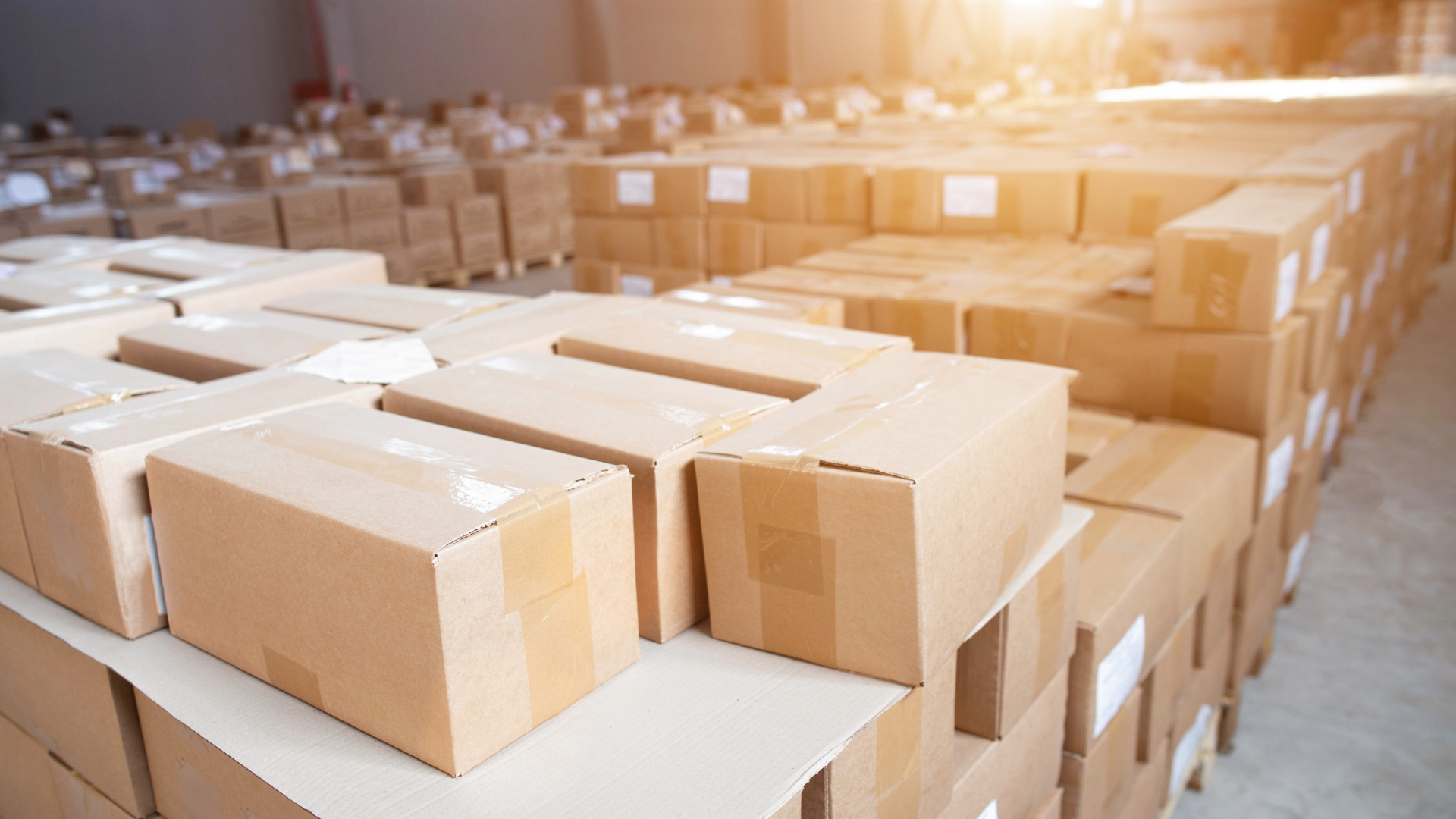
Spring is a great time to take inventory and evaluate whether each packaging size still serves a purpose and whether you should get rid of some inventory.
Ask questions like:
Which packaging sizes are used most frequently?
Are there sizes that rarely get used?
Could two sizes be consolidated into one?
Are any boxes larger than necessary?
Are there boxes sitting in our warehouse that we haven’t even touched in over a year?
Even small adjustments can make a meaningful difference. For example, slightly resizing a box might allow products to fit more efficiently, reducing void fill and lowering shipping costs.
Simplifying your packaging lineup doesn’t just make operations easier. It can also improve efficiency across the entire supply chain.
Freshen Up Your Materials
Packaging materials evolve quickly. New substrates, coatings, and sustainable alternatives are constantly entering the market. What made sense for your packaging three years ago might not be the best option today.
Spring is a good opportunity to revisit the materials you’re using and see if there are ways to improve. This doesn’t necessarily mean completely redesigning your packaging. Sometimes small adjustments can deliver meaningful benefits.
Consider asking questions like:
Are we using more material than necessary?
Could a lighter-weight substrate still provide the same protection?
Are there more sustainable material options available today?
Could changing a coating or finish improve durability?
Material reviews can sometimes uncover opportunities to reduce waste, improve recyclability, enhance product protection, and streamline manufacturing.
Many brands set their packaging materials early in their product development process and never revisit those decisions again. But materials are one of the most important functional components of packaging, and periodic reviews can reveal surprising improvements.

Brighten Up the Customer Experience
Spring is often associated with renewal and fresh starts. It’s a season where small changes can make things feel new again. Packaging can benefit from the same mindset.
Over time, brands naturally evolve. Messaging changes, audiences grow, and products develop. But packaging doesn’t always get updated along the way. HOWEVER, that doesn’t necessarily mean you need a full redesign. Sometimes, a few thoughtful adjustments can make a big impact on the customer experience.
For example:
Improved instructions
If your product requires assembly or preparation, clearer instructions can make the experience smoother for customers.Easier opening features
Packaging that is difficult to open can quickly frustrate customers. Simple structural adjustments can make a big difference.Updated messaging
Refreshing copy, product information, or brand messaging can keep packaging aligned with your current brand voice.Packaging inserts
Adding or updating inserts such as thank-you cards, educational materials, or promotional offers can strengthen the connection with your customers.
These types of updates allow brands to keep packaging feeling fresh without the cost and complexity of a full redesign. Sometimes a small refresh is all it takes to breathe new life into the customer experience. Happy customers, happy brand!
Eliminate Hidden Packaging Friction
When packaging systems change over time, new features often get added layer by layer. A protective insert here. An additional seal there. A secondary label somewhere else. And while each change may make sense individually, sometimes they just don’t work well together.
Customers might struggle to open packaging because there are too many stickers or too much glue. Instructions may become unclear, and now people are just ripping through your pretty packaging. Packing processes may take longer than necessary, which can be really annoying for the people packing your product, but also means that you aren’t getting orders out fast, and let’s be real, time really is money.
Spring cleaning is a great opportunity to step into your customer’s shoes and evaluate the full packaging experience.
Try asking simple questions like:
Is the packaging easy to open?
Does the product feel intuitive to unpack?
Are there unnecessary layers or materials?
Does the packaging protect the product without being excessive?
Sometimes simplifying packaging can actually improve both the customer experience and operational efficiency. Less friction means happier customers and smoother processes.
Prepare for the Seasons Ahead
Spring cleaning isn’t just about getting rid of clutter. It’s about preparing for what comes next.

For many brands, the months ahead can bring:
summer promotions
new product launches
seasonal marketing campaigns
increased shipping activity
holiday planning
Having a clean, organized packaging system makes it much easier to handle growth and seasonal demands. When packaging files are organized, materials are optimized, and packaging sizes are streamlined, brands are better positioned to scale smoothly.
That way, when summer rolls around, you’re not sweating your packaging.
A Fresh Start for Your Packaging
Spring reminds us that fresh starts are powerful. A little cleaning, organizing, and refreshing can make things feel lighter, simpler, and more manageable.
Packaging is no different. Taking the time to review your packaging systems, from files and materials to structures and customer experience, can uncover opportunities to improve efficiency, reduce costs, and strengthen your brand.
And the best part? You don’t have to overhaul everything at once.
Sometimes the most meaningful improvements come from small adjustments that make your packaging work just a little bit better. So while you’re opening the windows, clearing out closets, and welcoming the new season, it might be the perfect time to give your packaging a little spring cleaning too.
Your future self (and your operations team) will thank you.