

From Suitcase to Beach Bag: Packaging That Keeps Up
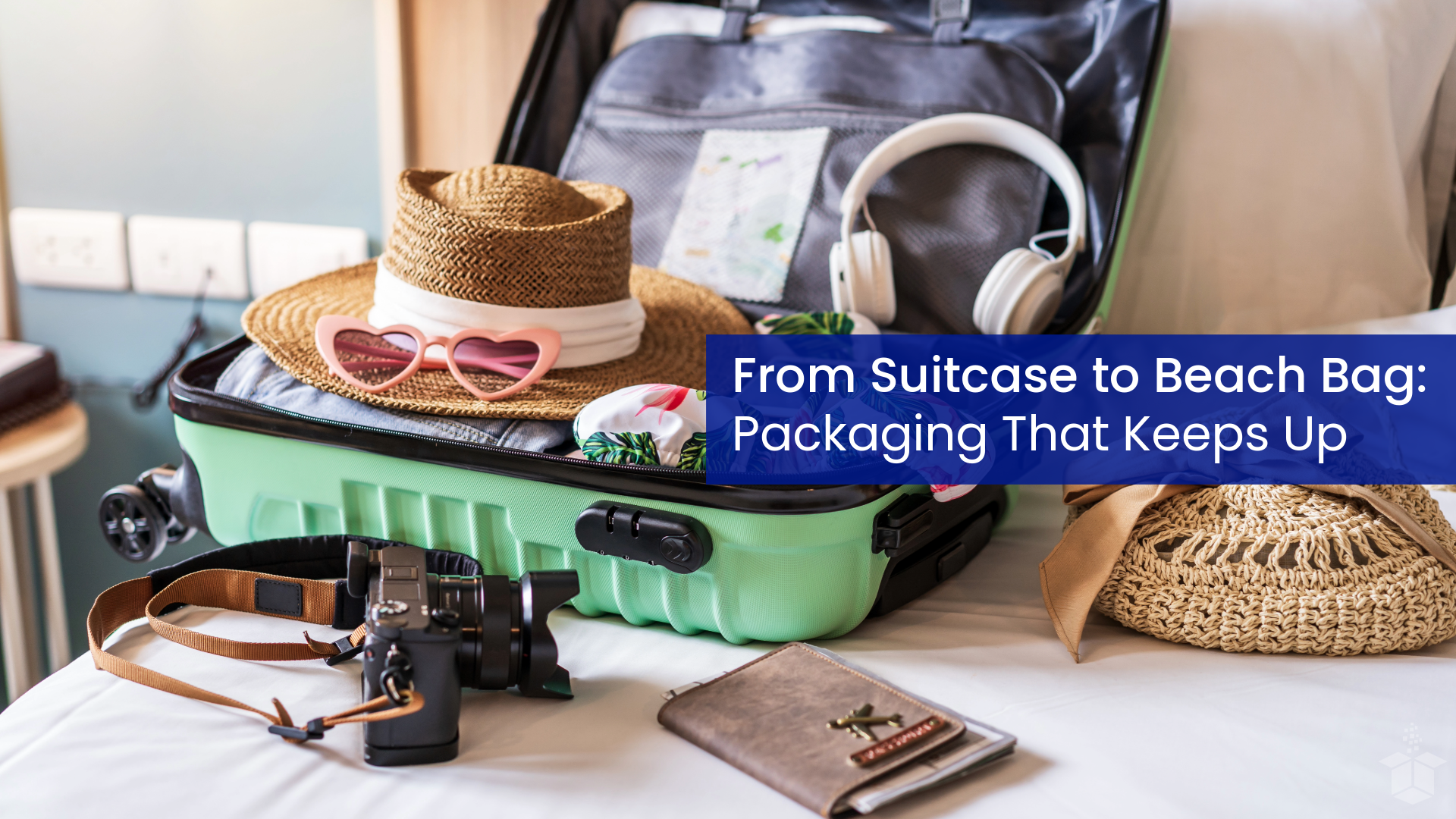
As we head towards summer, there’s something about travel season that changes how people interact with products.
Routines loosen. Bags get overpacked. Liquids get squeezed into corners they were never meant to fit into. Products are tossed into carry-ons, beach totes, backpacks, and glove compartments. And suddenly, packaging isn’t sitting neatly on a shelf anymore. It’s now in motion.
For brands, this shift matters more than most realize. Because when customers are on the go, your packaging has a new job: survive the journey.
Vacation-proof packaging isn’t just about durability. It’s about designing for real-life movement: airports, road trips, pool days, hiking trails, and everything in between. It’s about anticipating what happens when your product leaves the controlled environment of a store or home and enters the unpredictability of travel.
And brands that get this right? They don’t just avoid damage, but they create convenience, loyalty, and repeat use.
Why Travel Changes Packaging Expectations
At home, customers are forgiving. A slightly bulky box? Fine. A lid that requires two hands? Manageable. Packaging that isn’t perfectly resealable? Not ideal, but they can work with that.
But when people travel, their expectations shift dramatically.
Now, everything needs to be:
Compact
Lightweight
Easy to open and close
Durable enough to handle movement
Secure enough to prevent leaks or spills
In other words, packaging has to work harder… while taking up less space.
Travel exposes every weak point in packaging design. If something can break, leak, tear, or pop open, it probably will, and it’s usually somewhere between packing and unpacking.
That’s why vacation-proof packaging isn’t a luxury. It’s a seasonal necessity.
The Rise of the “On-the-Go” Customer

Summer travel isn’t just about vacations anymore. It’s about the ability to just go.
Customers are:
Taking weekend trips instead of long vacations
Working remotely from new locations
Spending more time outdoors
Prioritizing convenience and flexibility
This creates a new kind of consumer behavior: products aren’t just used in one place, they have to move with the customer, wherever their travels take them.
And that movement changes everything about packaging design.
A product that works perfectly in a bathroom cabinet might completely fail in a beach bag. A snack that looks great on a shelf might become frustrating on a hiking trail.
Vacation-proof packaging meets customers where they are. NOT where brands assume they’ll be.
Lightweight: Less Bulk, More Freedom
When people pack for a trip, every ounce matters.
Whether it’s a carry-on weight limit or just the desire to avoid overpacking, customers are constantly making decisions about what’s worth bringing. Packaging plays a huge role in that decision. If it’s bulky, heavy, or inefficient, it’s definitely not coming with.
What lightweight packaging really means:
Material efficiency without sacrificing protection
Right-sizing to eliminate excess space
Flexible formats that adapt to movement (like pouches instead of rigid containers)
Multi-use designs that reduce the need for multiple products
But here’s the key: lightweight doesn’t mean flimsy.
Customers still expect the product to arrive intact. The challenge is finding that balance between reducing weight and maintaining structural integrity. This is where smart material choices and thoughtful engineering come into play.
Resealability: Because One-Time Use Doesn’t Work on the Road
Travel isn’t neat. Customers rarely use an entire product in one sitting, especially when they’re on the move. That means packaging needs to open easily and close just as securely.
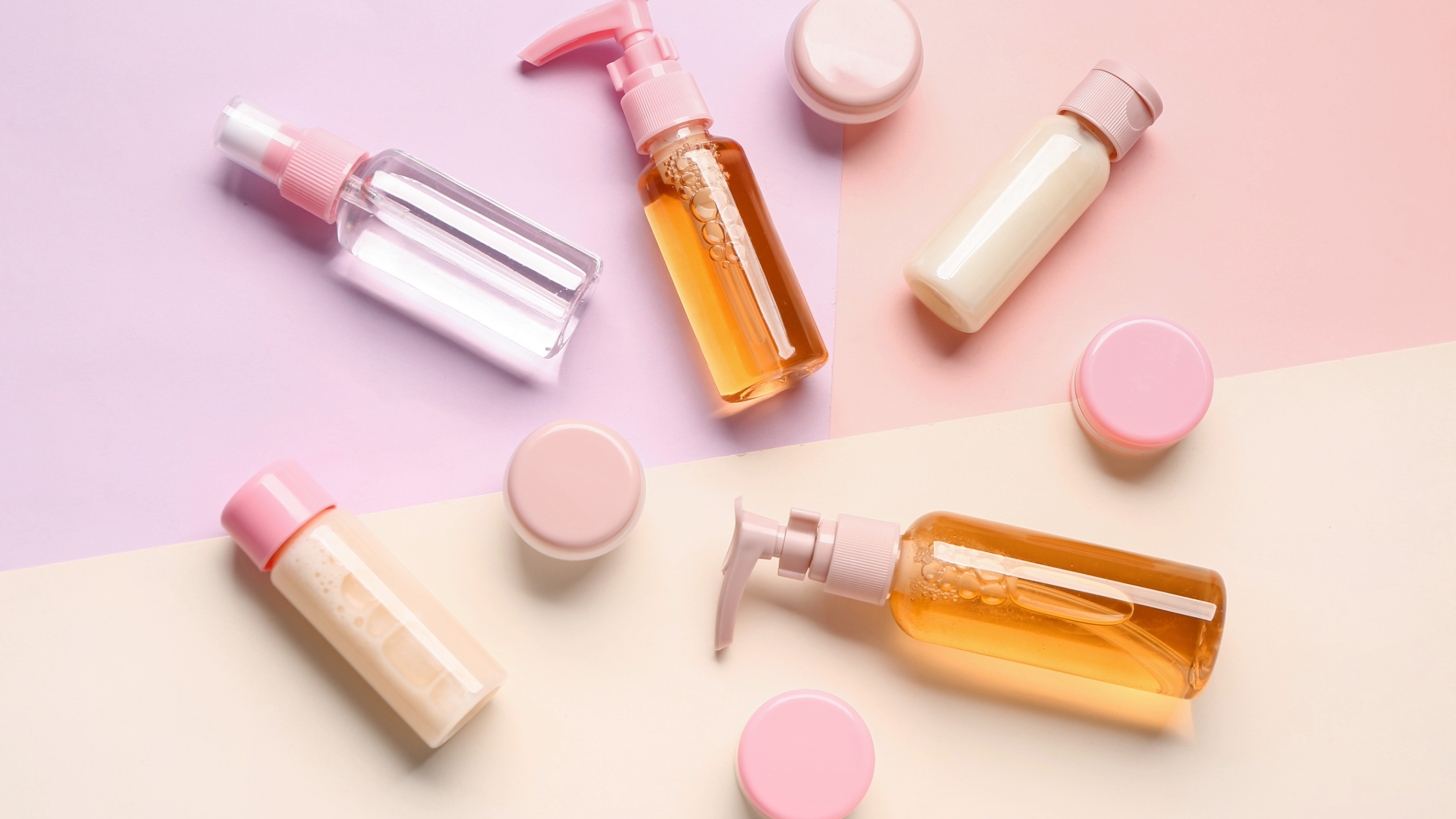
Resealability isn’t just a nice feature during travel. It’s an essential part of your product getting chosen.
Strong resealable packaging should:
Maintain freshness over multiple uses
Prevent leaks, spills, or contamination
Be easy to open without tools
Be intuitive. No learning curve required
Think about the frustration of a snack bag that won’t stay closed or a liquid product that slowly leaks into a toiletry bag.
Those moments stick with customers and not in a good way.
Common resealable solutions include:
Zip closures
Press-to-close seals
Screw caps with tight threading
Flip-top lids with secure snaps
The goal isn’t just to reseal, but to do it confidently. Because the last thing you want is for that bottle of sunscreen to open all over someone’s clothes. And if a customer doesn’t trust the closure, they’ll either avoid using the product or stop traveling with it altogether.
Durability: Built for Movement, Not Just Display
Packaging is often designed for the shelf first. But during travel season, it needs to be designed for motion first.
That means thinking about:
Drops
Pressure from overpacked bags
Temperature changes
Moisture exposure
Constant handling
Durable packaging considers:
Impact resistance: Can it survive being dropped or bumped around?
Seal integrity: Will it stay closed under pressure?
Material strength: Does it resist tearing, puncturing, or cracking?
Environmental exposure: Can it handle heat, humidity, or sand?
A beautifully designed package that fails during travel quickly loses its value. When travelling, pretty doesn’t mean it’ll work the way a customer needs it to. It has to be functional first.
Durability isn’t just about preventing damage. It’s about protecting the customer experience.
Size & Portability: Designing for Real Bags, Not Ideal Scenarios

In reality, products are all competing for the same limited amount of space in a bag. Whether it’s a tightly packed carry on, a beach bag with towels and sunscreen, a backpack stuffed full, or a small purse with little room, products are competing. So vacation-proof packaging has to be designed with these environments in mind.
Considerations for portability:
Slim profiles that slide easily into tight spaces
Stackable or nestable shapes
Travel-friendly sizes that meet airline regulations
Grip-friendly designs for easy handling
Don’t think just shrinking the product. Think more about designing it to fit naturally into how people pack and move.
Leak Prevention: The Silent Dealbreaker
Few things ruin a travel experience faster than a leak.
Whether it’s shampoo in a suitcase or a beverage in a backpack, leaks create mess, frustration, and in many cases, product waste. And once it happens, customers rarely give that packaging a second chance.
Leak-resistant design focuses on:
Tight, secure closures
Pressure-resistant seals
Proper material compatibility (especially for liquids)
Testing under real-world conditions
This is especially critical for:
Beauty and personal care products that are liquid or powder that can get literally everywhere and never come out
Food and beverage items (sticky soda or chip crumbs everywhere is a nightmare)
A single leak can undo an otherwise great product experience and ruin someone’s vacation. Don’t be that brand.
How to Start Designing for Travel Season
If you’re a brand preparing for summer, it’s not too late to start thinking about vacation-proof packaging.

Start by asking:
Where will customers use this product outside the home?
How will it be packed, carried, and stored?
What could go wrong during travel?
How can packaging make the experience easier, not harder?
Then, take it a step further:
Test your packaging in real scenarios.
Put it in a bag. Shake it. Drop it. Expose it to heat. See what happens.
Simplify where possible.
Convenience is key during travel—remove unnecessary friction.
Focus on versatility.
The more adaptable your packaging is, the more likely customers are to bring it with them.
The Bigger Picture: Packaging That Moves With Your Customer
Vacation-proof packaging isn’t just a seasonal trend—it’s a reflection of how people live today.
Customers are more mobile, more flexible, and more experience-driven than ever before. They expect products to keep up with them, not slow them down.
When packaging is designed for movement, it does more than protect a product—it enhances the entire experience.
It becomes easier to use, more reliable, more likely to be repurchased, and more likely to travel again. And that’s the goal.
Because when your packaging makes the journey easier, your product becomes part of the adventure—not a problem to solve.